
Above & Beyond Pest Control

Healthy home environment showcasing family enjoying a pest-free space, emphasizing Integrated Pest Management benefits

Why Choose Integrated Pest Management? Explore the Benefits

Integrated Pest Management vs Traditional Pest Control: Which Is Better for Effective and Eco-Friendly Pest Solutions?

Integrated Pest Management (IPM) and traditional pest control represent two distinct strategies for keeping homes and businesses free from pests, each with different mechanisms, outcomes, and environmental footprints. This article helps readers compare the two approaches so they can choose the solution that balances effectiveness, safety, and long-term prevention. You will learn what defines conventional chemical-focused methods, the core principles of IPM, how the approaches differ across effectiveness and cost over time, and concrete steps for starting an IPM plan locally. We also explore how local providers implement IPM in practical terms and how that implementation translates into healthier indoor environments and fewer repeat infestations. Finally, the article outlines how property owners can get started with an IPM assessment and what to expect from a professional provider operating in New Jersey. Throughout, you’ll find evidence-based reasoning, comparison tables, and actionable lists that make the tradeoffs clear and help you plan next steps.

What Is Traditional Pest Control and How Does It Work?

Traditional pest control is a reactive, treatment-first approach that relies primarily on scheduled or complaint-driven pesticide applications to reduce pest populations quickly. It works by diagnosing a pest problem and applying broad-spectrum chemical treatments or residual sprays to kill or repel the target species, often on a recurring schedule to maintain suppression. The main benefit of this method is rapid knockdown of visible infestations, which provides quick relief and is familiar to many property managers and homeowners. However, the reactive nature of traditional control means underlying entry points, sanitation issues, and habitat features that encourage pests frequently go unaddressed and can lead to repeated applications.

What Defines Traditional Pest Control Methods?

Traditional methods are defined by their emphasis on chemical controls, scheduled visits, and immediate population reduction rather than prevention. Typical tactics include broad-spectrum pesticides, perimeter barrier sprays, and scheduled interior treatments timed by technician visits rather than ongoing monitoring. These tactics target multiple species using residual chemistry and often treat the structure and surrounding landscape in one pass to achieve quick reduction. While effective for short-term suppression, these characteristics contrast sharply with prevention-first philosophies and make the long-term durability of results dependent on repeated applications.

What Are the Drawbacks of Traditional Pest Control?

Technician applying pesticides in a home, illustrating drawbacks of traditional pest control methods

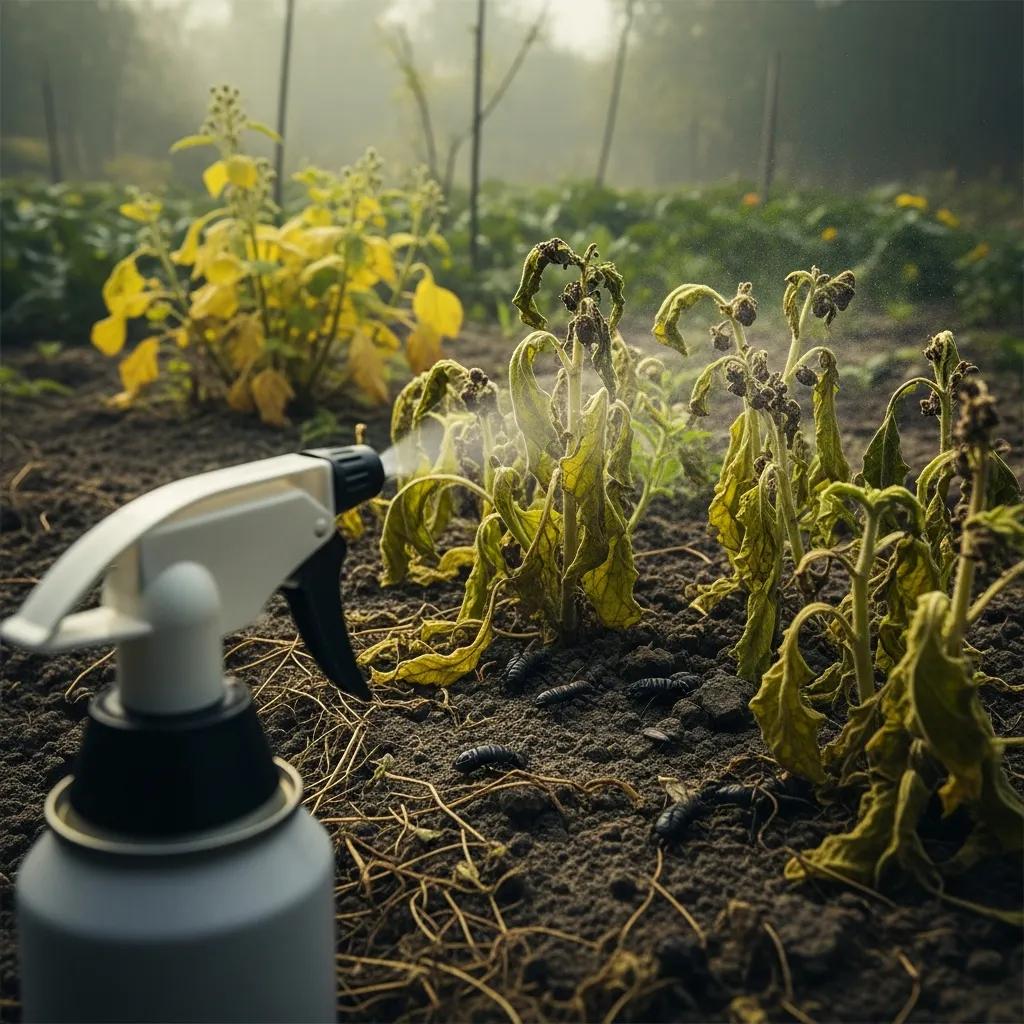
The main drawbacks include potential health risks, environmental impacts, and the development of pesticide resistance in pest populations over time. Repeated, broad chemical use increases exposure risks to residents, pets, and beneficial organisms, and can contaminate soil and waterways when not managed carefully. In addition, reliance on chemical suppression without habitat modification or exclusion often leads to re-infestations and escalating treatment cycles, which raise long-term costs and reduce sustainability. Understanding these limitations highlights why many property owners are seeking alternatives that focus on prevention and targeted control.

What Is Integrated Pest Management and Why Is It a Sustainable Solution?

Integrated Pest Management (IPM) is an ecosystem-based strategy that prioritizes prevention, monitoring, accurate identification, and the use of the least-toxic control methods only when thresholds are reached. IPM works by combining physical, cultural, biological, and chemical tools in a coordinated way to reduce pest populations to acceptable levels while minimizing risks to people, pets, and the environment. The primary value of IPM is sustainable prevention: by addressing root causes such as entry points, food and water sources, and habitat, IPM reduces the need for routine chemical applications and lowers long-term recurrence. This approach aligns with environmental protection goals and public health guidance, making it a recommended strategy for sensitive sites like homes, schools, and food-service properties.

What Are the Core Principles of Integrated Pest Management?

IPM rests on a small set of core principles: prevention, monitoring and identification, action thresholds, targeted controls, and evaluation. Prevention focuses on habitat modification and exclusion to remove the conditions pests need to survive, such as sealing entry points and improving sanitation. Monitoring and identification use inspections, traps, and records to distinguish species and population trends so interventions are proportionate and species-specific. Action thresholds determine when control is necessary, limiting interventions to situations that exceed acceptable risk; targeted controls then use the least-toxic options available, reserving chemical treatments as a last step.

This foundational understanding of IPM principles is supported by extensive research into its core components.

Core Elements of an Integrated Pest Management Program: Monitoring and Decision-Making

In Chapter 1, it was stated that an integrated pest management program is composed of six basic elements: (1) the pest manager; (2) knowledge-information; (3) monitoring of the numbers and state of the ecosystem elements, e.g., weather, resource, pest natural enemies; (4) decision-making levels, the pest densities at which control methods are put into action; (5) IPM methods, the techniques used to manipulate pest populations; and (6) agents and materials, the tools of manipulation. The critical importance of the first two elements has been stressed in earlier chapters, and the need for a large corps of well-trained pest management specialists is further eleborated in Chapter 9. This chapter focuses on the remaining four elements of IPM: monitoring, decision-making levels and other decision-making guides, and the tools and techniques involved in manipulating pest populations to enhance production of the resource.

Practical Procedures: IPM Monitoring, Decision-Making, and the Tools and Techniques of the Integrated Pest Manager, 1981

IPM includes practical, homeowner-friendly actions that complement professional services. For example, sealing small gaps in a building’s envelope reduces insect and rodent entry and often eliminates the need for repeated sprays. Monitoring using strategically placed traps informs whether a population is growing or incidental, which prevents unnecessary treatments and preserves beneficial species.

How Does IPM Minimize Chemical Use and Promote Long-Term Prevention?

IPM minimizes chemical dependence by using targeted, evidence-based interventions that address sources and pathways instead of relying on broad residual applications. When chemicals are necessary, IPM favors spot treatments, baits, and products with lower non-target toxicity, applied only after monitoring indicates thresholds have been exceeded. Physical controls such as exclusion work by permanently removing access, while sanitation and habitat modification reduce attractants that sustain populations. Over time, this hierarchy reduces selection pressure for resistance and decreases cumulative chemical exposure to occupants and the environment, producing more durable pest control outcomes.

To track effectiveness, IPM programs include follow-up monitoring and evaluation so that interventions are adjusted based on measured results. This feedback loop both improves long-term prevention and provides data to compare cost and effectiveness against conventional, treatment-driven programs.

How Do Integrated Pest Management and Traditional Pest Control Compare?

IPM and traditional pest control differ across approach, chemical use, environmental impact, long-term effectiveness, and cost structure, making a direct comparison useful for homeowners and facility managers. IPM emphasizes prevention and monitoring with minimal, targeted chemical use, while traditional control leans on reactive, often broad-spectrum chemical treatments. The two approaches also differ in outcome timelines: traditional methods deliver faster short-term knockdown, whereas IPM aims for sustained reduction and reduced recurrence. Considering these dimensions together helps property owners choose the approach that fits their risk tolerance, budget horizon, and environmental priorities.

Different attributes map clearly between the two approaches and can be scanned quickly for decision-making.

ApproachChemical UseLong-term Effectiveness
Integrated Pest ManagementMinimal, targeted, least-toxicHigh when prevention and monitoring are maintained
Traditional Pest ControlBroad-spectrum, scheduled applicationsVariable; often lower due to recurring infestations
Hybrid/Transitional ApproachesMixed targeted use with interim chemicalsDepends on emphasis on exclusion and monitoring

This table shows that IPM’s focus on prevention and monitoring typically yields higher long-term effectiveness, while traditional methods can be strong for immediate suppression but weaker for lasting control. The next section examines specific operational differences that drive these outcomes.

What Are the Key Differences Between IPM and Traditional Pest Control?

The fundamental differences lie in philosophy and operational tactics: IPM is preventive, data-driven, and species-specific, whereas traditional control is reactive, chemically focused, and schedule-driven. IPM uses inspection, monitoring devices, and thresholds to determine whether and when to act, applying non-chemical options first. In contrast, traditional programs often follow calendar-based treatments or respond to visible infestations with broad applications. These operational contrasts affect not only efficacy but also environmental and health trade-offs, with IPM typically reducing collateral impacts and preserving beneficial species.

Because IPM emphasizes species identification and targeted tactics, it avoids unnecessary treatments and delivers interventions tailored to the pest’s biology. That precision is a key reason IPM reduces resistance development and improves long-term outcomes.

Which Method Is More Effective for Long-Term Pest Control?

Evidence and practical experience indicate that IPM is more effective over the long term for preventing re-infestation and reducing recurring treatment needs. IPM’s emphasis on exclusion, sanitation, and habitat modification addresses the root causes that allow pests to persist, while monitoring ensures interventions are timely and proportionate. Traditional methods may achieve faster short-term suppression, but without preventive repairs or changes, populations frequently rebound, generating the need for repeated treatments. Local factors—such as building condition, surrounding habitat, and pest species—do influence outcomes, and in some acute scenarios a hybrid approach that uses traditional knockdown followed by IPM prevention can be pragmatic.

When evaluating cost-effectiveness over time, the initial investment in exclusion or structural repairs often pays off by lowering recurring service fees and property damage costs associated with unchecked infestations.

How Do Environmental and Health Impacts Differ Between IPM and Traditional Methods?

IPM reduces human and environmental exposure by minimizing pesticide use and prioritizing least-toxic alternatives, targeted baits, and physical controls. Lower chemical volume and targeted placement reduce risks to children, pets, and beneficial insects, and decrease the likelihood of contaminating nearby water or soil. Traditional methods using broad-spectrum sprays can increase acute exposure risks and have non-target impacts that harm pollinators and other beneficial organisms. Regulatory agencies and extension services increasingly recommend IPM practices for settings like schools and food facilities because of their favorable public health profile.

The principles of IPM, particularly its emphasis on minimizing chemical use and prioritizing environmental health, are widely recognized and promoted.

Eight Principles of Integrated Pest Management for Sustainable Farming

The use of pesticides made it possible to increase yields, simplify cropping systems, and forego more complicated crop protection strategies. Over-reliance on chemical control, however, is associated with contamination of ecosystems and undesirable health effects. The future of crop production is now also threatened by emergence of pest resistance and declining availability of active substances. There is therefore a need to design cropping systems less dependent on synthetic pesticides. Consequently, the European Union requires the application of eight principles (P) of Integrated Pest Management that fit within sustainable farm management. Here, we propose to farmers, advisors, and researchers a dynamic and flexible approach that accounts for the diversity of farming situations and the complexities of agroecosystems and that can improve the resilience of cropping systems and our capacity to adapt crop protection to local realities. For each principle (P), we suggest that (P1) the design of inherently robust cropping systems using a combination of agronomic levers is key to prevention. (P2) Local availability of monitoring, warning, and forecasting systems is a reality to contend with. (P3) The decision-making process can integrate cropping system factors to develop longer-term strategies. (P4) The combination of non-chemical methods that may be individually less efficient than pesticides can generate valuable synergies. (P5) Development of new biological agents and products and the use of existing databases offer options for the selection of products minimizing impact on health, the environment, and biological regulation of pests. (P6) Reduced pesticide use can be effectively combined with other tactics. (P7) Addressing the root causes of pesticide resistance is the best way to find sustainable crop protection solutions. And (P8) integration of multi-season effects and trade-offs in evaluation criteria will help develop sustainable solutions.

Eight principles of integrated pest management, P Bàrberi, 2015

Reduced exposure also translates into lower liability and better community acceptance for businesses and property managers seeking sustainable operations.

Is Integrated Pest Management More Cost-Effective Over Time?

Over a multi-year horizon, IPM commonly becomes more cost-effective despite potentially higher upfront investments in exclusion, sanitation, and monitoring systems. Preventive repairs and habitat modification reduce recurrent service calls and the need for repeated chemical treatments. Traditional programs may appear cheaper initially because they rely on technician visits and treatments rather than repairs, but cumulative costs from ongoing visits, product use, and damage remediation often exceed IPM investments. Accounting for intangible savings—reduced health risks, environmental compliance, and fewer business disruptions—further favors IPM as a prudent long-term investment.

An itemized comparison of typical components clarifies how different expenditures map to outcomes.

ComponentIPM CharacteristicTraditional Characteristic
PreventionExclusion, repairs, sanitationLimited emphasis
MonitoringRegular inspections, trapsReactive reporting
Chemical UseSpot/bait as last resortScheduled residual applications
Cost Over TimeOften declines after initial investmentOften stable or increasing due to repeats

Following this comparison, many property owners look for local providers who can implement IPM-style services in a way that combines humane wildlife removal, licensed exclusions, and thorough clean-up to maximize long-term value.

After comparing approaches, property owners often seek local, practical IPM implementations. Above and Beyond Pest Control provides services that align with IPM principles, offering exclusion, humane trapping, and clean-up services as part of a prevention-first strategy. Their operating area includes Little Falls, NJ, and surrounding communities, and the team integrates licensed roofers, carpenters, and contractors for structural exclusion work to seal entry points and repair damage. Emphasizing humane, safe, and effective methods, the company pairs monitoring and targeted interventions with sanitation and habitat modification, aiming to reduce pesticide reliance and recurrence.

This local implementation paragraph illustrates how a provider’s service offerings translate IPM concepts into on-the-ground solutions that focus on long-term effectiveness and occupant safety.

How Does Above and Beyond Pest Control Implement Integrated Pest Management in New Jersey?

Above and Beyond Pest Control implements IPM locally by combining humane wildlife removal, exclusion work with licensed contractors, monitoring, and thorough clean-up services to reduce recurrence and exposure. Their approach begins with a comprehensive inspection to identify species, entry points, and attractants, followed by prioritized recommendations that favor physical exclusion and habitat modification. The company emphasizes humane, least-toxic interventions and coordinates with licensed roofers and carpenters for durable structural repairs that close gaps and prevent re-entry. This integration of trades ensures that exclusion is performed professionally and that the solution addresses the root causes rather than offering temporary suppression.

The successful implementation of IPM on a local scale often involves a coordinated effort across various services and professional disciplines.

Area-Wide Integrated Pest Management (AW-IPM): Principles, Practice, and Prospects

Integrated pest management (IPM) has remained the dominant paradigm of pest control for the last 50 years. IPM has been endorsed by essentially all the multilateral environmental agreements that have transformed the global policy framework of natural resource management, agriculture, and trade. The integration of a number of different control tactics into IPM systems can be done in ways that greatly facilitate the achievement of the goals either of field-by-field pest management, or of area-wide (AW) pest management, which is the management of the total pest population within a delimited area. For several decades IPM and AW pest control have been seen as competing paradigms with different objectives and approaches. Yet, the two “schools” have gradually converged, and it is now generally acknowledged that the synthesis, AW-IPM, neither targets only eradication, nor relies only on single control tactics, and that many successful AW programmes combine a centrally managed top-down approach with a strong grassroots bottom-up approach, and that some are managed in a fully bottom-up manner. AW-IPM is increasingly accepted especially for mobile pests where management at a larger scale is more effective and preferable to the uncoordinated field-by-field approach. For some livestock pests, vectors of human diseases, and pests of crops with a high economic value and low pest tolerance, there are compelling economic incentives for participating in AW control. Nevertheless issues of free riders, public participation and financing of public goods, all play a significant role in AW-IPM implementation. These social and managerial issues have, in several cases, severely hampered the positive outcome of AW programmes; and this emphasises the need for attention not only to ecological, environmental, and economic aspects, but also to the social and management dimensions. Because globalization of trade and tourism are accompanied by the increased movement of invasive alien pest speci

Area-wide integrated pest management (AW-IPM): principles, practice and prospects, 2007

The next table summarizes how individual services map to IPM principles and expected local outcomes.

ServiceIPM PrincipleLocal Implementation Example/Outcome
Exclusion repairsPreventionLicensed roofers and carpenters seal attic vents and roof penetrations, reducing repeat entries
Humane trappingTargeted control & monitoringSpecies-specific live trapping followed by relocation where humane and legal
Clean-up and sanitationHabitat modificationDebris removal and sanitization reduce disease risk and attractants

What Humane and Eco-Friendly Practices Does Above and Beyond Pest Control Use?

The company prioritizes humane trapping and relocation when feasible, combined with decision-making that favors exclusion and habitat modification over chemical fixes. Technicians assess species and context to choose the least-toxic, most targeted controls, such as live traps for certain wildlife or baits placed in tamper-resistant stations for rodents when necessary. By coordinating with licensed contractors for structural repairs, interventions are durable and reduce the need for repeated treatments, supporting long-term prevention. These practices reflect IPM’s hierarchy of controls and minimize environmental and health impacts while addressing homeowner or business concerns.

How Do Exclusion, Trapping, and Clean-Up Services Support IPM Strategies?

Exclusion removes pest access points, trapping provides species-specific removal and monitoring data, and clean-up eliminates attractants and health hazards that sustain pest populations. For example, sealing roof gaps and repairing soffits prevents raccoons and squirrels from establishing nests in attics, while targeted trapping reduces existing populations without broad chemical exposure. Clean-up services reduce fecal contamination, food residues, and nesting material that would otherwise attract new pests and create health risks. Together, these services create a coordinated prevention package that reduces future service needs and aligns with IPM’s long-term goals.

These integrated actions illustrate how practical, locally-delivered services fulfill IPM principles and often produce better outcomes than spray-only programs.

What Are the Benefits of Choosing Integrated Pest Management for Your Home or Business?

Diverse group practicing eco-friendly pest control, highlighting benefits of Integrated Pest Management

Choosing IPM delivers measurable benefits in health, environmental protection, long-term prevention, and often cost savings when evaluated over time. IPM reduces occupant exposure to pesticides by limiting chemical use to targeted, necessary situations, protecting children, pets, and workers. It also supports environmental stewardship by reducing runoff and protecting beneficial organisms. The focus on exclusion and habitat modification decreases re-infestation risk and the frequency of service calls, which can translate into lower cumulative costs and less disruption for homes and businesses. These advantages make IPM especially well-suited for schools, food-service facilities, healthcare settings, and residential properties that prioritize safety and sustainability.

IPM ComponentHome/Business BenefitImpact
ExclusionLong-term preventionReduces re-infestation risk
MonitoringTargeted interventionsLowers unnecessary treatments
Clean-upHealth risk reductionDecreases disease transmission
Targeted chemical useReduced exposureProtects occupants and environment

How Does IPM Protect Your Family, Pets, and the Environment?

IPM protects people and pets by minimizing indiscriminate pesticide exposure and using controls that are species-specific and carefully placed. By emphasizing sanitation and exclusion, IPM reduces attractants that bring pests into living spaces, lowering the chance of bite or disease transmission. Environmental protection comes from reduced chemical residues, which helps to preserve beneficial insects and prevents contamination of soil and water. The result is a safer indoor environment and a community-friendly approach to pest management that aligns with public health recommendations.

What Long-Term Pest Prevention Strategies Does IPM Offer?

IPM offers a practical checklist of maintenance and structural measures that homeowners and businesses can follow to sustain pest-free conditions over time. Regular inspections and monitoring establish early detection, while seasonal maintenance—such as sealing exterior gaps, maintaining screens, and correcting moisture issues—removes conditions that allow pests to thrive. Structural repairs and exclusion work done by licensed contractors create durable barriers against entry, and sanitation routines reduce food and nesting sources. Together these actions form a repeatable prevention plan that can be implemented with professional support or as part of routine property upkeep.

To make these strategies actionable, consider the following homeowner checklist:

  • Inspect and seal exterior gaps and utility penetrations annually.
  • Maintain proper sanitation in food storage and waste areas.
  • Schedule routine monitoring for signs of rodents and insects.
  • Coordinate structural repairs with licensed professionals to maintain exclusion integrity.

This checklist provides concrete steps property owners can take and maintain to keep pest pressures low and avoid recurring treatment cycles.

At the end of this benefits discussion, readers ready to act are encouraged to request a free IPM assessment from Above and Beyond Pest Control, which offers 24/7 emergency availability and affordable pricing for homeowners and businesses in Little Falls, NJ, and surrounding areas. The company’s free in-home assessments identify priority actions and provide written recommendations that prioritize prevention and least-toxic solutions. Fast-response capabilities mean urgent wildlife or pest incidents can be addressed quickly, reducing damage and health risks while moving toward a lasting IPM outcome.

How Can You Get Started with Integrated Pest Management Services from Above and Beyond Pest Control?

Getting started with an IPM program involves a simple, structured assessment followed by prioritized actions that focus on prevention and targeted control. Above and Beyond Pest Control offers free IPM assessments as an initial step, where technicians conduct a comprehensive inspection to identify species, entry points, and conducive conditions. After the assessment, property owners receive a prioritized plan that outlines exclusion, trapping, clean-up, and any targeted treatments required, plus an estimate for remediation. This transparent, no-obligation process helps homeowners and managers decide which steps to take first and understand the expected outcomes.

The following numbered list explains what to expect during a free IPM assessment and the immediate next steps.

  1. Comprehensive inspection: Technicians identify pests, entry points, and attractants in and around the property.
  2. Species identification and monitoring: Traps or visual checks help determine population levels and inform thresholds.
  3. Prioritized recommendations: A written plan lists exclusion repairs, sanitation steps, and targeted controls with estimated timelines.
  4. Estimate and scheduling: Customers receive a clear cost estimate and scheduling options for exclusion work or follow-up services.

What Should You Expect During a Free IPM Assessment?

During a free IPM assessment, expect a thorough, onsite evaluation that documents pest signs, entry pathways, and environmental conditions contributing to infestations. The technician will identify species and recommend monitoring or trapping as needed to confirm activity levels, then prioritize actions that favor exclusion and habitat modification. A written summary outlines recommended repairs, sanitation tasks, and any targeted treatments, along with timing and cost estimates. The assessment is designed to be educational and actionable, enabling property owners to choose interventions that align with their budget and risk preferences.

How Can You Contact Above and Beyond Pest Control for IPM Solutions?

To schedule a free IPM assessment or request emergency assistance, residents and business owners in Little Falls, NJ, and surrounding areas can reach out via the company’s website or their Google Business Profile to request service. Above and Beyond Pest Control emphasizes punctuality, trustworthiness, and excellent customer service, and offers 24/7 emergency services for urgent wildlife or pest incidents. When contacting the company, ask specifically for an IPM assessment to ensure recommendations focus on prevention, humane removal, and licensed-contractor-backed exclusion work. This direct request helps technicians prepare the appropriate inspection tools and any coordination with licensed roofers or carpenters that may be required.

  1. Schedule a free IPM assessment with the provider.
  2. Review the prioritized plan and estimate provided.
  3. Approve exclusion or repair work with licensed contractors when recommended.
  4. Implement follow-up monitoring and maintenance as advised.

These actions create a roadmap from initial inspection to sustained pest prevention and demonstrate how professional IPM services translate into measurable benefits for homes and businesses.