Squirrel Nesting Patterns: Key to Humane Removal and Home Protection
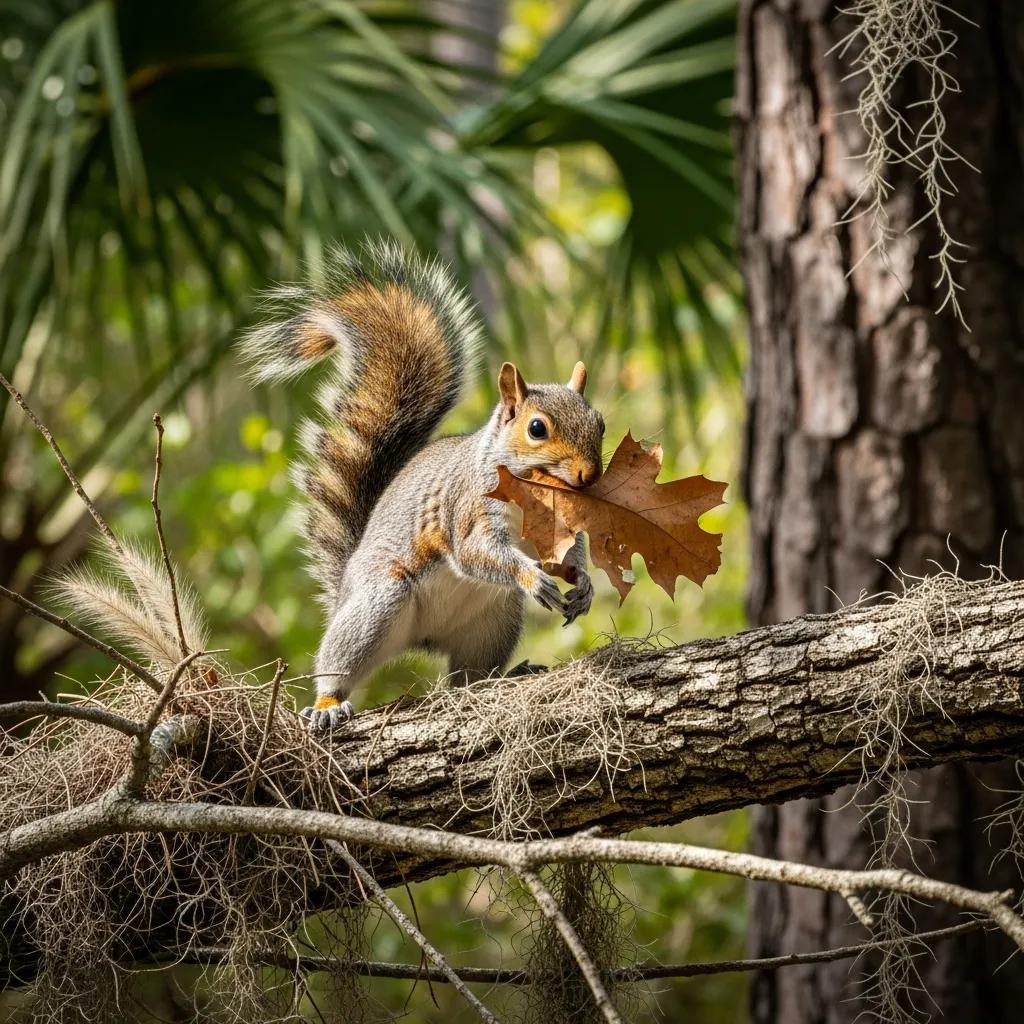
Squirrels are often seen as charming creatures, but their nesting habits can lead to significant issues for homeowners. Understanding squirrel nesting patterns is crucial for effective removal and prevention strategies. This article will delve into the key nesting behaviors of squirrels, how to identify signs of infestation, and humane removal methods. Many homeowners face challenges when squirrels invade their attics or walls, leading to potential damage and health risks. By learning about these nesting patterns, you can take proactive measures to protect your home. We will explore the key nesting habits of squirrels in Florida, signs of infestation, humane removal techniques, and prevention strategies.
Indeed, public perception of squirrels can vary widely, influencing how individuals approach wildlife management on their property.
Urban Squirrel Damage Control & Homeowner Perspectives
Although most residents of cities and suburbs enjoy and appreciate wildlife, we are frequently reminded that some do not, other people only tolerate and enjoy selected animal species, provided that these animals ”behave” – they don’t make noise, keep their distance, don’t damage ornamentals, and are not messy. Some people are so intolerant of wildlife that they even complain about frog choruses from nearby ponds. Response to wildlife varies such that one resident may detest squirrels and seek to destroy all that visit his property, while his neighbor, on the other hand, enjoys having them in his yard and may even provide them with food and nesting shelters.
Wildlife damage control in eastern cities and suburbs, 1983
What Are the Key Squirrel Nesting Habits in Florida?
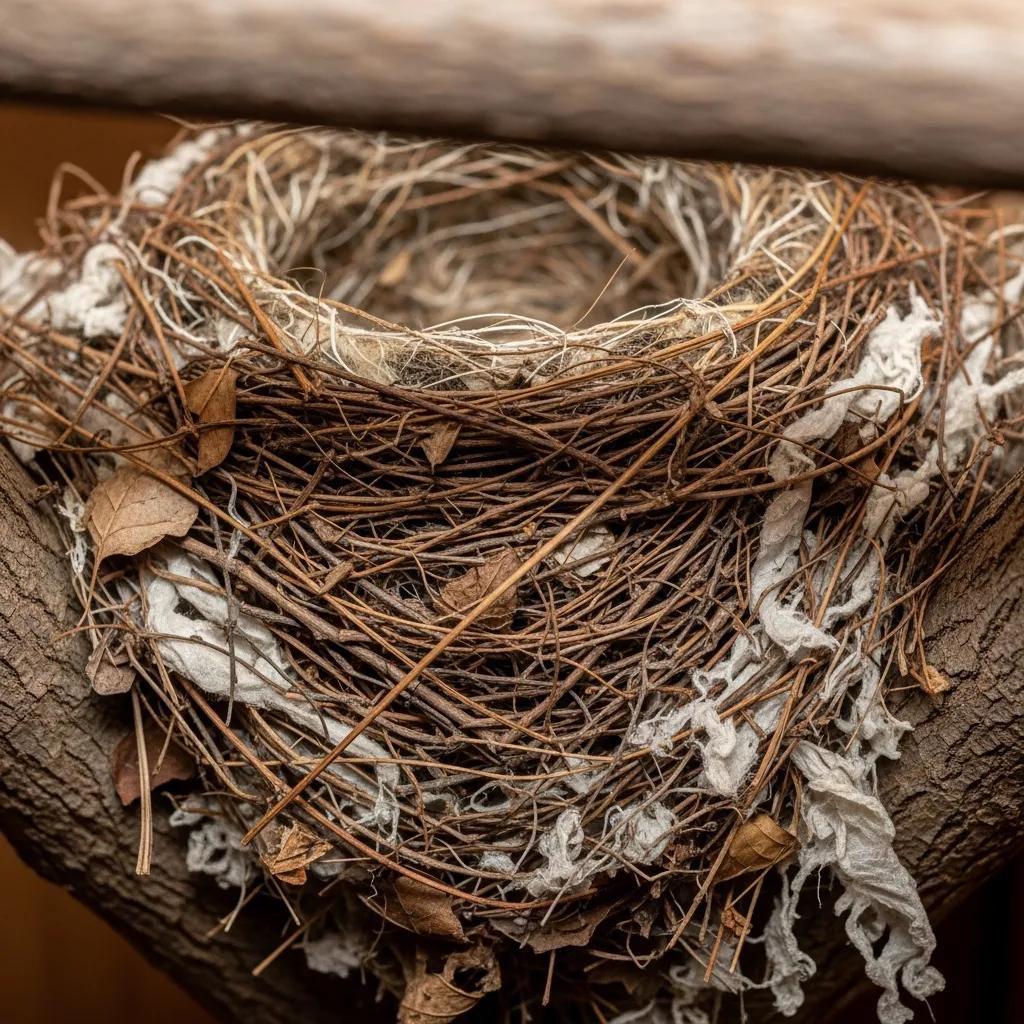
Squirrels in Florida exhibit specific nesting habits that are essential to understand for effective removal. These creatures prefer warm, concealed spaces for nesting, often utilizing materials that provide insulation and protection. Common nesting materials include shredded insulation, fabric, and leaves, which they gather from their surroundings. Nesting activity typically peaks during late winter and late summer, making these seasons critical for homeowners to monitor their properties.
How Do Squirrels Build and Choose Their Nests?
Squirrels build their nests using a variety of materials, including twigs, leaves, and man-made items like insulation. They choose nesting sites based on warmth and concealment, often opting for attics, trees, or even chimneys. The selection of these locations is strategic, as it provides safety from predators and harsh weather conditions. Understanding these building habits can help homeowners identify potential nesting sites before they become a problem.
When Is the Squirrel Nesting Season in Florida?
Nesting occurs primarily in late winter and late summer, with increased activity during these times indicating that squirrels are preparing their nests. Homeowners should be particularly vigilant during these seasons, as squirrels are more likely to invade homes in search of nesting sites. Recognizing the timing of nesting seasons can aid in early detection and prevention efforts.
How Can You Identify Signs of Squirrel Infestation in Your Property?
Identifying signs of squirrel infestation is crucial for timely intervention. Homeowners should look for behavioral signs such as digging, chewing, and audible noises in attics or walls. Additionally, droppings and nesting materials are key indicators of squirrel activity. Recognizing these signs early can prevent more significant damage and health risks associated with squirrel infestations.
What Are Common Indicators of Squirrel Activity in Attics and Walls?
Common indicators of squirrel activity include audible noises, visible damage to insulation or wiring, and the presence of droppings. These signs often suggest that squirrels have made their way into the home, particularly in attics and walls where they can create nests. Homeowners should take immediate action upon noticing these indicators to mitigate potential damage.
How Does Squirrel Damage Affect Homes and Businesses?
Squirrels can cause significant structural damage to homes and businesses. Their gnawing habits can lead to compromised insulation, damaged electrical wiring, and even structural integrity issues. Additionally, health risks arise from droppings and nesting materials, which can harbor diseases. Understanding the potential impact of squirrel infestations emphasizes the importance of prompt identification and removal.
The extensive damage caused by squirrels is not merely theoretical, as evidenced by real-world case studies of population management.
Gray Squirrel Damage Management & Den Site Reduction
Lafayette Park, a 3.0 hectare national park located across the street from the White House in Washington D.C., has had a gray squirrel (Sciurus carolinensis) density as high as 50 animals/hectare. In recent years this large population caused significant damage to mature trees and other vegetation. In keeping with the legislative mandate to protect and preserve the historic landscape in Lafayette Park, the National Park Service implemented a squirrel management program following an Integrated Pest Management (IPM) approach. The population was studied and monitored to determine the ecological bases for high squirrel numbers. Action was taken through a program of squirrel relocation and habitat modification to reduce available den sites.
Urban gray squirrel damage and population management: a case history, 1987
What Humane Methods Are Effective for Squirrel Removal?
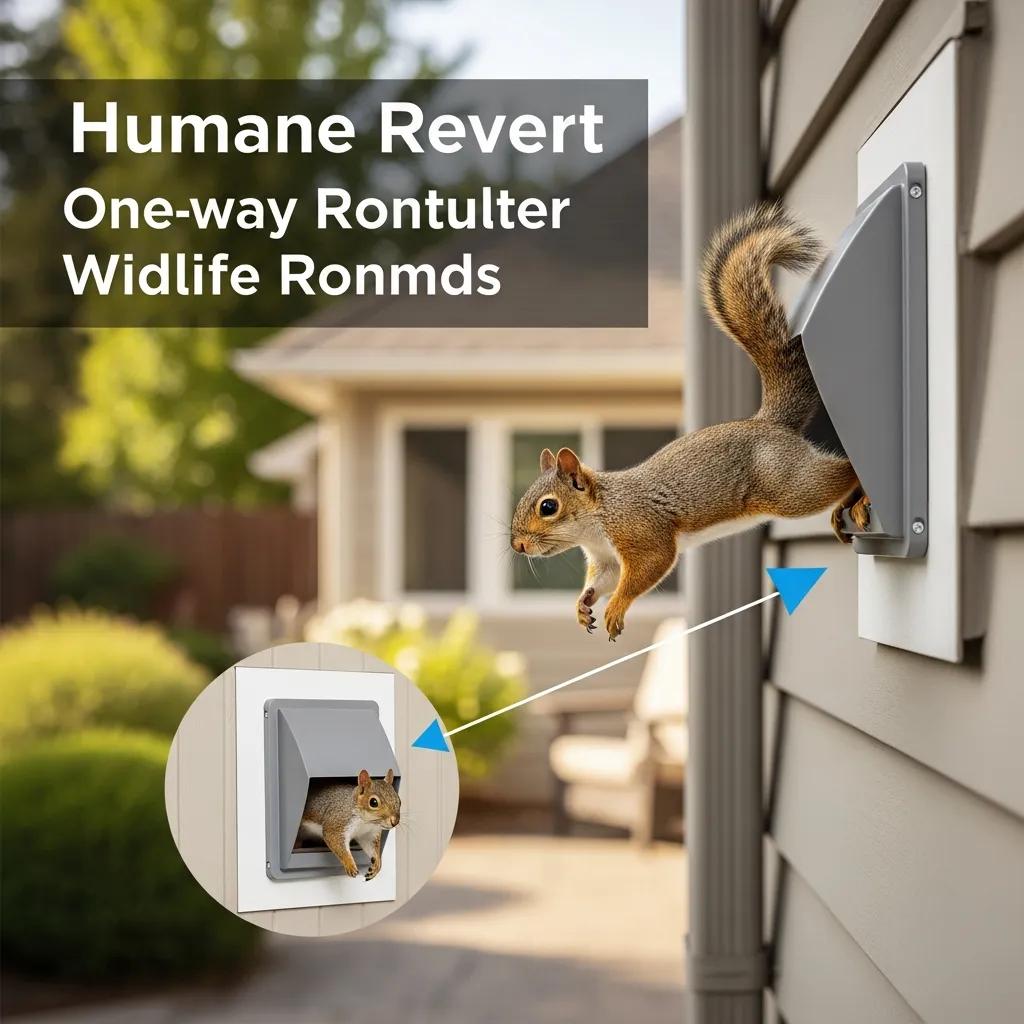
Humane methods for squirrel removal focus on safely relocating these animals without causing harm. One effective technique is the use of one-way door systems, which allow squirrels to exit but prevent re-entry. Monitored live trapping is another humane option, ensuring that squirrels are captured and relocated without stress. These methods prioritize the well-being of the animals while addressing the concerns of homeowners.
Above and Beyond Pest Control specializes in humane removal techniques, ensuring that squirrels are safely relocated. Their services include wildlife removal, trapping, exclusion, and cleanup, providing comprehensive solutions for homeowners facing squirrel infestations.
How Does Humane Trapping Work for Squirrel Removal?
Humane trapping involves several steps to ensure the safe capture of squirrels. First, an inspection identifies entry points where squirrels may be accessing the home. Next, traps are strategically placed and monitored to minimize stress on the animals. This method not only effectively removes squirrels but also allows for their safe relocation to suitable habitats.
Further research into humane trapping methods continues to evaluate their effectiveness and potential impact on target and non-target species.
Humane Trap Evaluation for Squirrel Removal
The Goodnature® A24 automatic rat trap is a self-resetting captive-bolt trap powered by pressurized CO₂, designed with the objective of instantly rendering animals unconscious followed by death, but little research has examined the humaneness of the trap or its potential to harm non-target mammals and birds. This study aimed to identify potential risks to non-target animals, and to evaluate its humaneness in killing target rodents. Seventeen traps, each paired with a motion-activated video camera, were deployed at two sites where rodents were present. In a 9-week study designed to assess risks to non-target animals, traps were baited but not activated, and a blocking device (“blocker”) was used in a cross-over design to evaluate its potential at reducing non-target strikes. A total of 2,282 interactions involving 33 species were recorded, with mice and rats as the most common mammals (566 visits), followed by squirrels, raccoons, skunks, and shrews.
Non-target interactions and humane evaluation of a captive bolt trap on commensal rodents, E Ryan, 2021
What Are Best Practices for Post-Removal Clean Up and Sanitation?
After squirrel removal, it is essential to follow best practices for cleanup and sanitation. Homeowners should contain and remove contaminated materials, such as droppings and nesting materials, to reduce health risks. Additionally, sanitizing the area helps eliminate odors that may attract other wildlife. Implementing these practices ensures a safe and clean environment post-removal.
How Can You Prevent Squirrels from Nesting in Your Attic?
Preventing squirrels from nesting in your attic requires proactive measures. Homeowners should seal entry points to prevent access, as even small gaps can provide entry for these agile creatures. Regular inspections can help identify vulnerabilities in the home’s structure, allowing for timely repairs.
What Exclusion Techniques Stop Squirrel Entry?
Effective exclusion techniques include using durable materials to seal gaps and holes in the home’s exterior. Metal mesh and caulk can be used to block potential entry points, while ensuring that vents and chimneys are properly screened. Regular inspections and maintenance of these areas can significantly reduce the likelihood of squirrel entry.
Which Maintenance Tips Help Keep Squirrels Away Long-Term?
Long-term maintenance tips include trimming tree branches that overhang the roof, as these can provide easy access for squirrels. Additionally, securing food sources, such as bird feeders and pet food, minimizes attractants that draw squirrels near the home. Implementing these strategies can help maintain a squirrel-free environment.