Squirrel Nests vs. Other Pests: Key Differences
Understanding the differences between squirrel nests and those of other pests is crucial for homeowners, especially in regions like South Florida where wildlife encounters are common. Squirrels, raccoons, and other pests often invade homes, leading to potential damage and health risks. This article will explore the key distinctions in nesting behaviors, effective removal strategies, and identification techniques for these pests. By understanding these differences, homeowners can better manage infestations and protect their properties. We will cover the structural and behavioral differences between squirrel nests and those of other pests, effective removal strategies, and how to identify signs of infestation.
Effective wildlife management extends beyond protection, often requiring actions to mitigate conflicts between wildlife and human interests.
Wildlife Damage Management & Conflict Resolution
Wildlife management is often thought of in terms of protecting, enhancing, and nurturing wildlife populations and the habitat needed for their well-being. However, many species at one time or another require management actions to reduceconflictswith people, other wildlife species, or other resources.
Identification and management of wildlife damage, KC Vercauteren, 2010
Key Differences Between Squirrel Nests and Nests of Other Pests
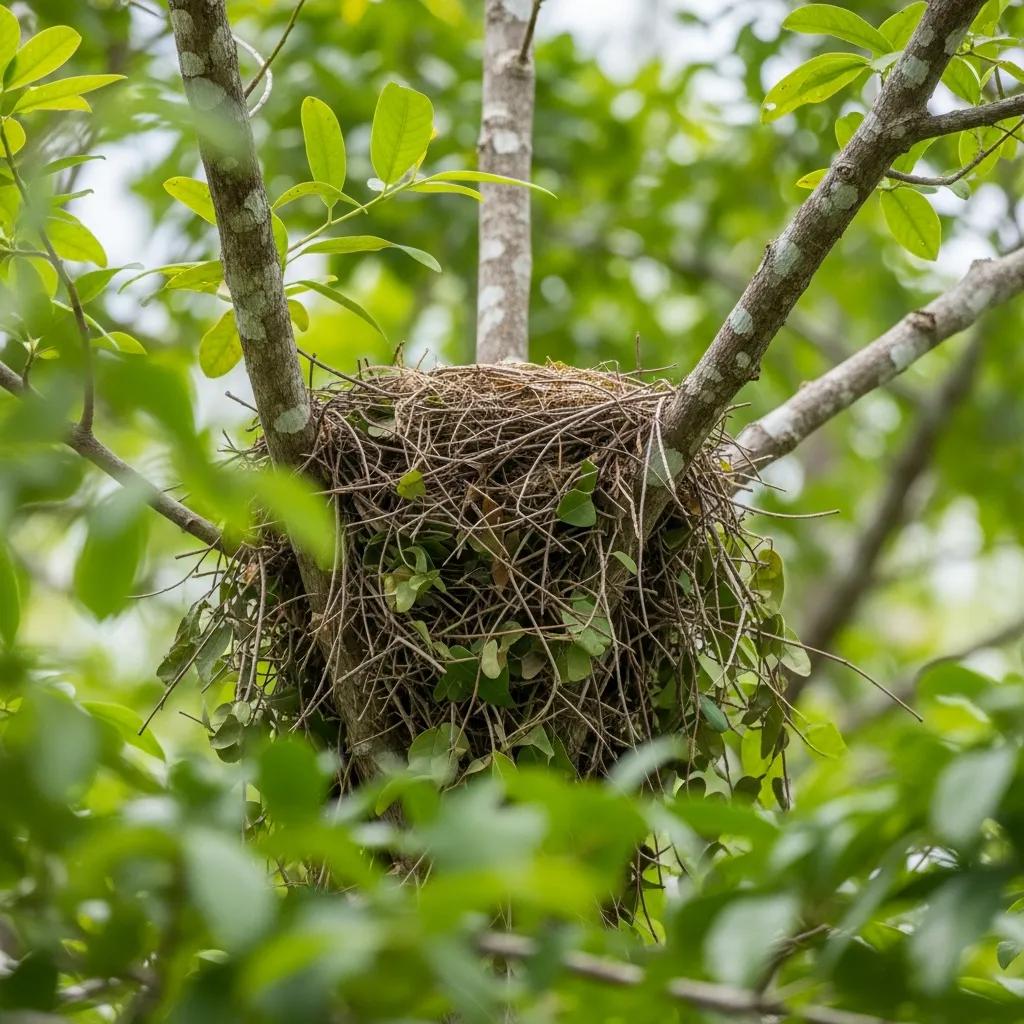
Squirrel nests, often referred to as dreys, differ significantly from the nests of other pests like raccoons or birds. These nests are typically constructed from twigs, leaves, and other natural materials, providing insulation and protection. In contrast, raccoon dens may be found in attics or under decks and are often made from a mix of debris and human refuse.
The location and structure of these nests are also telling signs of the type of pest present. Squirrel nests are usually found high in trees or in attics, while raccoon dens are often located closer to the ground. Recognizing these differences can help homeowners identify the specific pest they are dealing with and take appropriate action.
Effective Removal Strategies
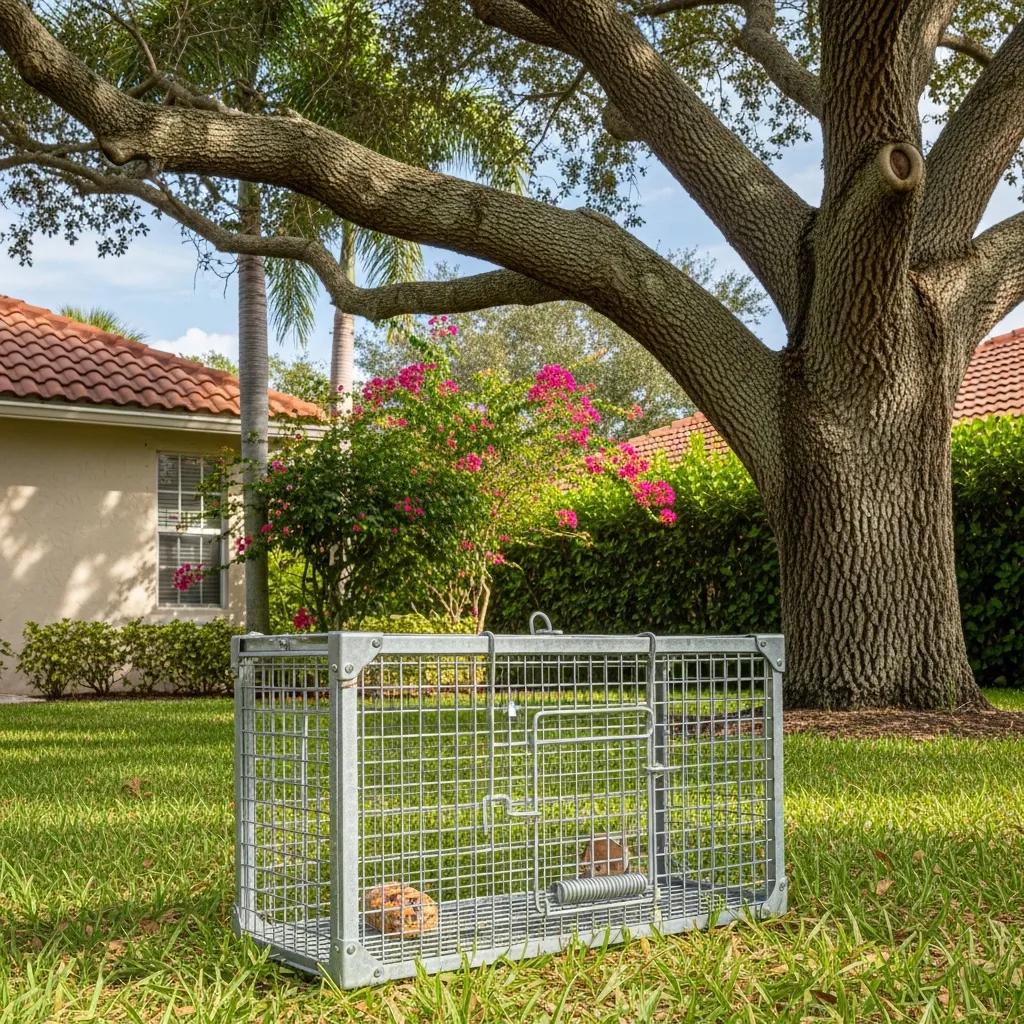
When it comes to pest control, understanding the most effective removal strategies is essential. Different pests require different approaches for humane and effective removal.
Squirrel Removal
Squirrel removal often involves humane trapping methods. Live traps can be used to capture squirrels without harming them, allowing for relocation. Additionally, sealing entry points is crucial to prevent future infestations. After removal, it is important to clean the area to eliminate any scent markers that may attract other squirrels.
Research highlights the importance of continually seeking and implementing more humane methods for trapping and handling squirrels to minimize injury and stress.
Humane Squirrel Trapping & Handling Methods
We determined that this number and level of injuries were unacceptable and research was halted until more humane methods of capture and handling were found
Trapping and handling squirrels: Trap modification and handling restraint to minimize injuries and stress, S Krause, 2014
Raccoon Removal
Raccoon removal typically requires professional assistance due to their size and potential aggression. Exclusion techniques, such as securing trash bins and closing off entry points, are vital. Cleanup considerations are also important, as raccoons can leave behind waste that poses health risks.
How Can You Identify Squirrel Nests Compared to Other Pest Nests?
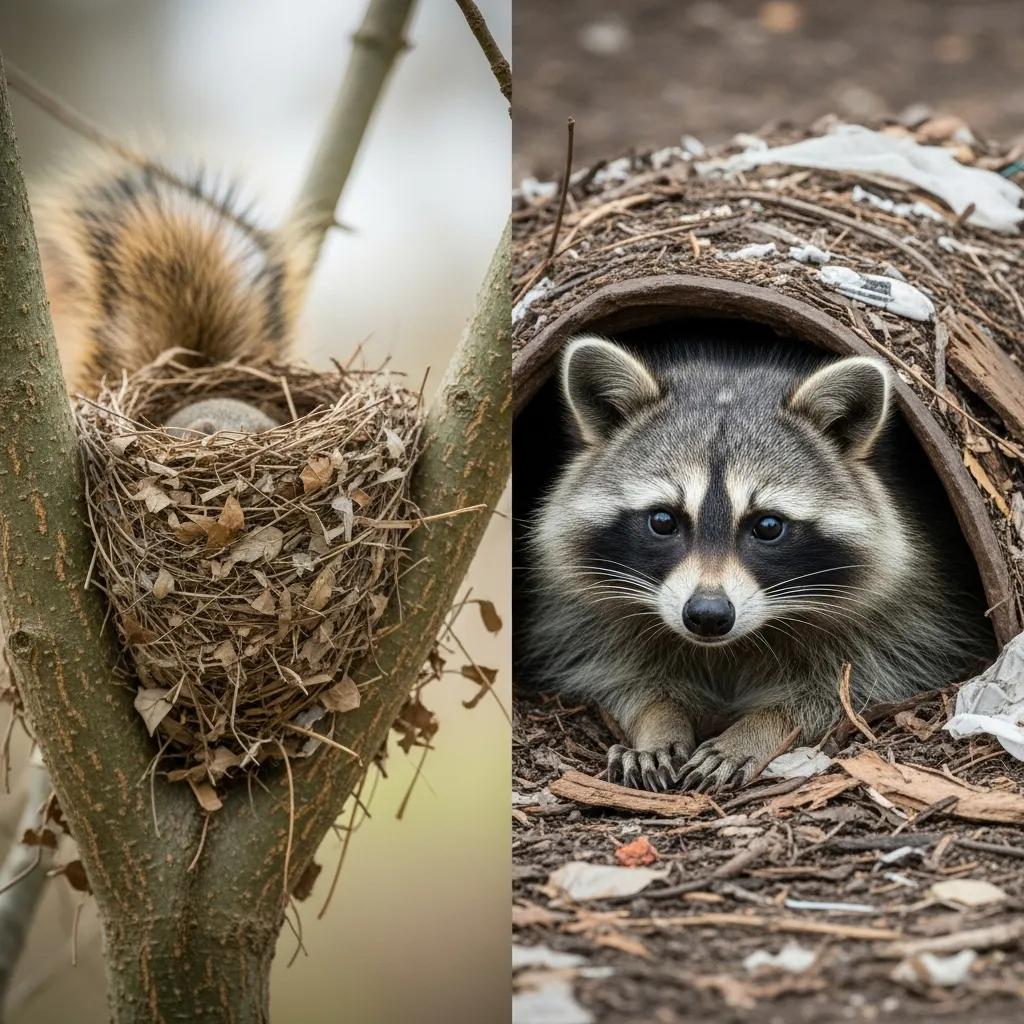
Identifying squirrel nests compared to other pest nests involves examining the materials used and the locations of the nests. Squirrel nests are often made from soft materials like leaves and fur, while raccoon dens may contain a mix of trash and debris.
Homeowners should look for signs of activity, such as droppings or gnaw marks, to help determine which pest is present. Understanding these identification techniques can aid in prompt and effective pest management.
What Are the Distinctive Materials and Locations of Squirrel Nests?
Squirrel nests are typically constructed from soft materials such as leaves, twigs, and sometimes even fur. These materials provide insulation and protection from the elements. Common locations for squirrel nests include tree branches, attics, and sometimes even within wall cavities of homes.
In contrast, other pests like raccoons may use a variety of materials, including human refuse, to build their dens. Recognizing these differences in materials and locations can help homeowners identify the specific pest they are dealing with.
Which Common Pests Build Nests in South Florida Homes?
In South Florida, several common pests build nests in homes, including squirrels, raccoons, and various bird species. Each of these pests has unique nesting behaviors and preferences for materials and locations.
Understanding the nesting habits of these pests can help homeowners take proactive measures to prevent infestations. Regular inspections and maintenance can significantly reduce the likelihood of these pests making a home in your property.
Specific studies in Florida have documented the presence and distribution of introduced squirrel species and their nesting habits, particularly in natural park environments.
Florida Red-Bellied Squirrel Nests & Management
In 2006 and 2007, we surveyed four islands in Biscayne National Park for nests to evaluate the presence of red-bellied squirrels (Sciurus aureogaster) and the distribution and index of dispersion of their nests in the Florida Keys archipelago within the Atlantic Ocean. Red-bellied squirrels were initially introduced to Elliott Key, Florida, USA in in 1938. We documented evidence of squirrels on two additional islands, Sands Key and Old Rhodes Key, which adds to concerns of spread of this introduced squirrel to areas with endangered endemic insular mammals. Squirrel nests were documented only in mixed-hardwood forest, and nests had a clumped distribution within this forest
Distribution and spread of an introduced insular population of red-bellied squirrels (Sciurus aureogaster) in
Florida, JL Koprowski, 2014
What Are the Signs of Squirrel Infestation Versus Other Wildlife?
Signs of squirrel infestation can include visible nests, droppings, and gnaw marks on wood or wires. In contrast, raccoons may leave behind larger droppings and signs of rummaging through trash.
Homeowners should be vigilant in observing these signs to identify the type of pest present. Early detection is key to effective pest management and can prevent more significant damage to the home.
How to Recognize Damage Caused by Squirrels in Attics?
Damage caused by squirrels in attics often includes chewed wires, insulation damage, and droppings. These signs can indicate a nesting problem that needs immediate attention.
Recognizing these types of damage is crucial for homeowners to address infestations promptly. Ignoring these signs can lead to more extensive repairs and potential health risks.
What Differentiates Squirrel Damage from Raccoon or Other Pest Damage?
Squirrel damage is typically characterized by small chew marks and nesting materials scattered throughout the attic. In contrast, raccoon damage may involve larger holes and more significant messes due to their size and behavior.
Understanding these differences can help homeowners identify the specific pest causing the damage and take appropriate action for removal and repair.
What Are the Humane Removal and Trapping Methods for Squirrels and Other Pests?
Humane removal methods for squirrels include live trapping and relocation. It is essential to follow local regulations regarding wildlife removal to ensure compliance and safety.
For other pests, such as raccoons, professional assistance is often recommended due to their size and potential aggression. Understanding humane trapping methods is crucial for responsible pest management.
Which Trapping Techniques Are Effective for Squirrel Removal?
Effective trapping techniques for squirrel removal include the use of live traps placed near entry points. Baiting the traps with food can increase the chances of capture.
It is important to check traps regularly to ensure the humane treatment of captured animals. Following up with exclusion measures will help prevent future infestations.
How Do Wildlife Pest Control Services Ensure Safe Exclusion?
Wildlife pest control services employ various techniques to ensure safe exclusion of pests. These methods often include sealing entry points, using one-way doors, and providing education on prevention strategies.
By understanding these practices, homeowners can work with pest control professionals to create a comprehensive plan for managing wildlife in and around their homes.
How Can Homeowners Prevent Re-Entry and Manage Post-Removal Clean-Up?
Preventing re-entry involves sealing all potential entry points and removing attractants such as food sources. Homeowners should also consider landscape management to reduce the likelihood of pests returning.
Post-removal clean-up is essential for health and safety, as it eliminates any remaining droppings or nesting materials that could pose risks.
What Pest Exclusion Methods Are Recommended for South Florida Homes?
In South Florida, effective pest exclusion methods include sealing cracks and gaps in the home’s exterior, managing food sources, and conducting regular inspections.
These proactive measures can significantly reduce the risk of pest infestations and protect the integrity of the home.
Why Is Post-Removal Clean-Up Important for Health and Safety?
Post-removal clean-up is crucial for health and safety as it helps eliminate potential health risks associated with pest droppings and nesting materials.
Proper cleaning practices can restore safety to the home and prevent future infestations. Homeowners should prioritize this step after any pest removal efforts to ensure a healthy living environment.