Squirrel Nesting Habits Explained by Experts
Squirrels are fascinating creatures known for their agility and resourcefulness, particularly when it comes to nesting. Understanding their nesting habits is crucial for both wildlife enthusiasts and homeowners, as it can help mitigate potential conflicts. This article delves into the intricate behaviors of squirrels related to nesting, including how they build their nests, the types of nests they create, and the seasonal patterns that influence their activities. By exploring these aspects, readers will gain insights into the best practices for managing squirrel populations, especially in urban settings. Additionally, we will discuss how this knowledge can inform professional wildlife control strategies, ensuring humane and effective solutions for any nesting issues.
What Are the Key Squirrel Behavior Patterns Related to Nesting?
Squirrels exhibit distinct behavior patterns when it comes to nesting, which are essential for their survival and reproduction. These behaviors include the selection of nesting sites, the materials used for construction, and the seasonal timing of nesting activities. Understanding these patterns can help homeowners identify signs of nesting and take appropriate action if necessary.
How Do Squirrels Build Their Nests Using Natural Materials?
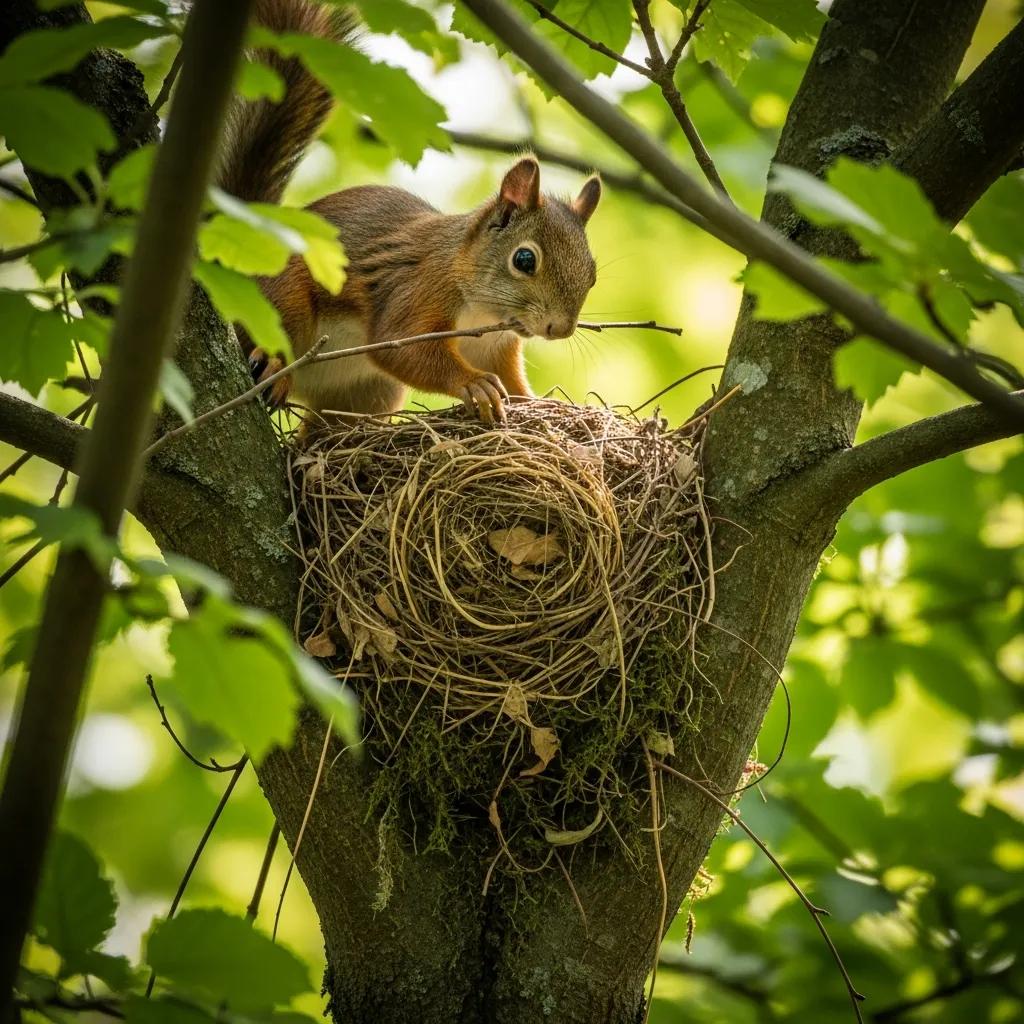
Squirrels are adept at utilizing natural materials to construct their nests, known as dreys. They typically gather twigs, leaves, and moss, which they weave together to create a sturdy structure. The choice of materials not only provides insulation but also camouflages the nest from predators. This natural building technique showcases their resourcefulness and adaptability in various environments.
What Are the Different Types of Squirrel Nests and Their Characteristics?
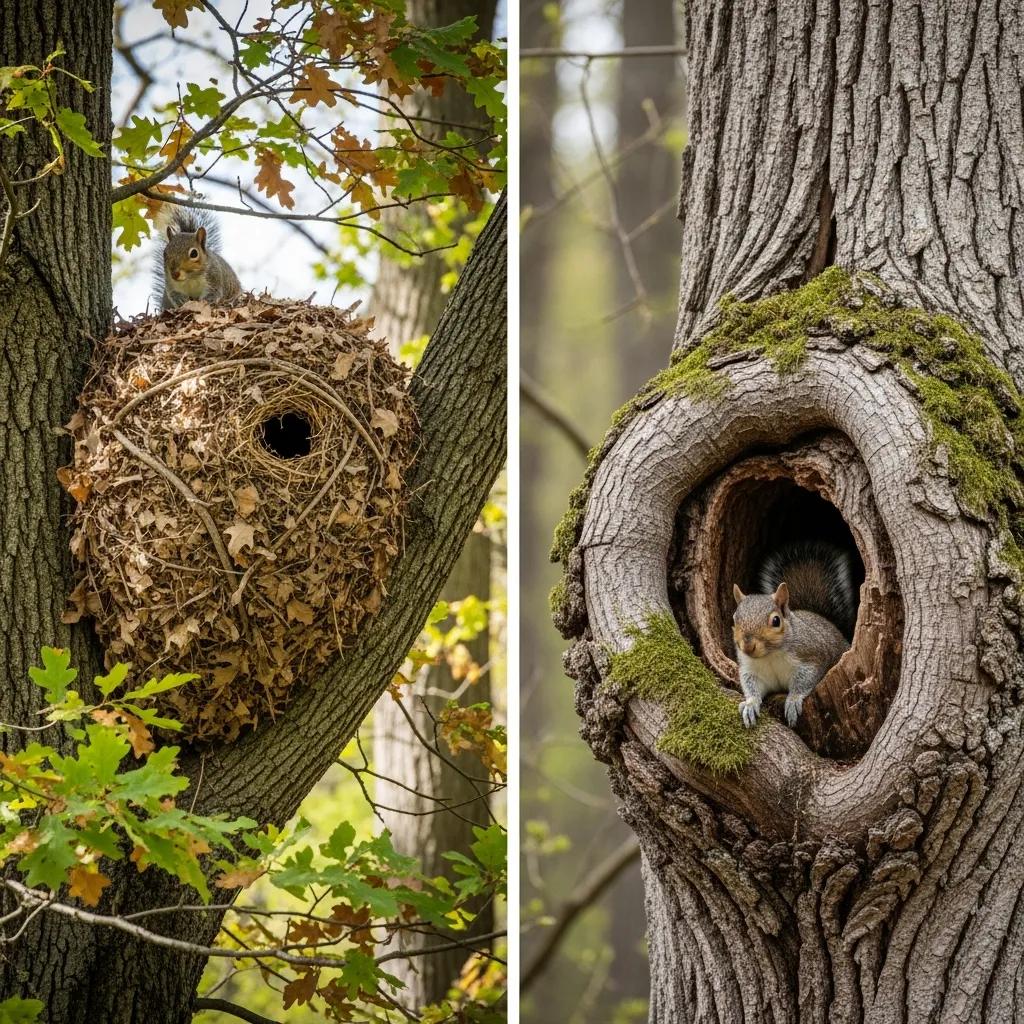
Squirrels primarily build two types of nests: dreys and cavity nests. Dreys are open nests made of leaves and twigs, often found high in trees, while cavity nests are located in tree hollows or man-made structures. Each type has its own characteristics; for instance, dreys are more exposed and vulnerable to weather conditions, whereas cavity nests offer better protection from the elements and predators. Recognizing these nests can help in assessing potential infestation risks.
When Is the Squirrel Nesting Season in South Florida?
In South Florida, the nesting season for squirrels typically occurs in late winter to early spring and late summer. During these times, squirrels are more active in building nests and raising their young. Understanding the timing of these activities is crucial for effective wildlife management, as it can influence the strategies employed for removal or prevention.
How Does Seasonal Timing Affect Squirrel Nesting Activities?
Seasonal changes significantly impact squirrel nesting behaviors. In spring, squirrels are busy preparing for breeding, which involves constructing nests and gathering food. As temperatures rise, their activity levels increase, making it essential for homeowners to be vigilant about potential nesting sites. Conversely, during the winter months, squirrels may become less active, retreating to their nests for warmth.
What Local Factors Influence Nesting Patterns in South Florida?
Local environmental factors, such as temperature and food availability, play a critical role in shaping squirrel nesting patterns. In South Florida, the warm climate allows for year-round activity, but fluctuations in food sources can lead to changes in nesting behavior. For instance, during periods of drought, squirrels may seek out alternative nesting sites closer to reliable food sources, increasing the likelihood of human-wildlife interactions.
What Are the Preferred Habitats and Nesting Locations of Squirrels?
Squirrels prefer habitats that provide ample food sources and shelter. They are commonly found in wooded areas, parks, and urban environments where trees are abundant. Understanding their habitat preferences can help in managing potential infestations and ensuring that properties remain squirrel-free.
Which Environmental Features Do Squirrels Choose for Nesting?

Squirrels typically select nesting sites that offer warmth, concealment, and proximity to food. Ideal nesting locations include tall trees with dense foliage, which provide protection from predators and harsh weather. Additionally, urban areas with abundant landscaping can attract squirrels, making it essential for homeowners to be aware of their nesting habits.
How Do Habitat Preferences Impact Squirrel Infestation Risks?
The choice of nesting habitats directly influences the risk of squirrel infestations in residential areas. Urban environments, with their plentiful food sources and nesting opportunities, can lead to increased squirrel populations. Homeowners should be proactive in managing their properties to minimize these risks, such as securing trash bins and sealing entry points to buildings.
How Do Squirrel Nesting Habits Guide Humane Removal & Prevention?
Knowledge of squirrel nesting habits is invaluable for effective wildlife management. By understanding their behaviors, professionals can implement targeted strategies for removal and prevention, ensuring humane treatment of these animals.
What Humane Trapping and Exclusion Techniques Address Nesting Issues?
Humane trapping methods are essential for managing squirrel populations without causing harm. Techniques such as live traps allow for the safe capture and relocation of squirrels. Additionally, pest exclusion techniques, such as sealing entry points and removing food sources, can prevent future infestations. Above and Beyond Pest Control specializes in these humane wildlife control methods, ensuring that both homeowners and squirrels are treated with respect.
Indeed, effective urban wildlife management often involves similar strategies to address squirrel populations and their impact on the environment.
Urban Gray Squirrel Management & Conflict Resolution
In recent years this large population caused significant damage to mature trees and other vegetation. In keeping with the legislative mandate to protect and preserve the historic landscape in Lafayette Park, the National Park Service implemented a squirrel management program following an Integrated Pest Management (IPM) approach. Action was taken through a program of squirrel relocation and habitat modification to reduce available den sites. The implications of this program for resolving people-wildlife conflicts in urban environments are discussed.
Urban gray squirrel damage and population management: a case history, 1987
How Does Post-Removal Clean-Up Support Long-Term Property Protection?
After the removal of squirrels, thorough clean-up is crucial for maintaining property integrity and preventing future infestations. This includes sanitizing areas where squirrels nested, as their droppings can pose health risks. Implementing proper sanitation practices not only protects the property but also deters other wildlife from taking up residence. Above and Beyond Pest Control offers comprehensive clean-up services to support long-term property protection.