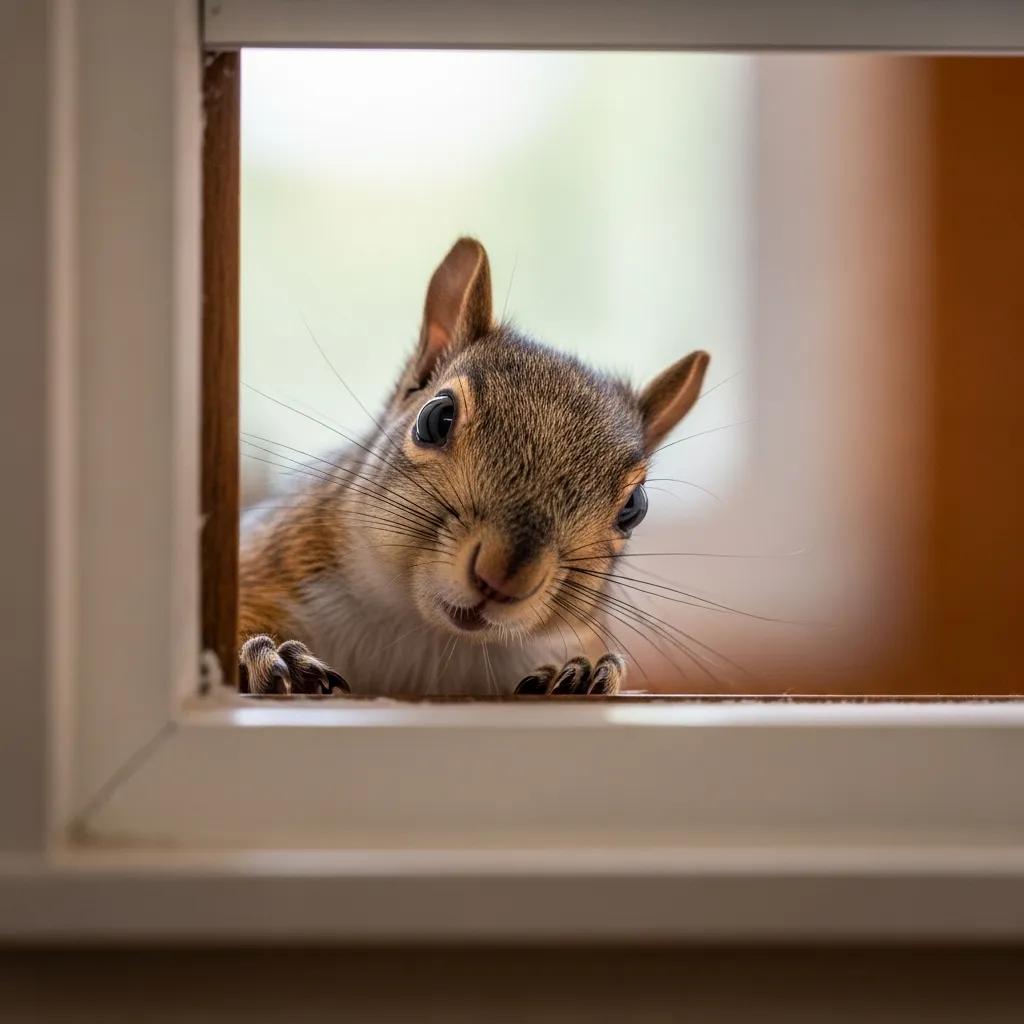
Signs You Have a Squirrel Infestation
Squirrels can be charming creatures, but when they invade your home or property, they can cause significant damage and health risks. Understanding the signs of a squirrel infestation is crucial for homeowners and property managers alike. This article will guide you through the various indicators that suggest a squirrel presence, the potential damage they can cause, and effective control measures to manage the situation. By recognizing these signs early, you can take proactive steps to protect your property and ensure a safe environment.
In this article, we will cover the signs of a squirrel infestation, the potential damage caused by squirrels, effective control measures, and how to identify squirrel droppings and noises. We will also discuss the importance of post-removal clean-up and the health risks associated with squirrel infestations.
Signs of a Squirrel Infestation
Identifying a squirrel infestation involves recognizing specific signs that indicate their presence. Squirrels are often active during the day, making it easier to spot their activities. Common signs include:
- Auditory Cues: Squirrels make distinct noises, such as chattering or scratching, especially in attics or walls.
- Visible Damage: Look for chewed wires, gnawed wood, or holes in your home’s exterior.
- Nesting Materials: Finding leaves, twigs, or other debris in your attic or garden can indicate nesting behavior.
These signs are essential for early detection, allowing you to address the issue before it escalates.
Potential Damage Caused by Squirrels
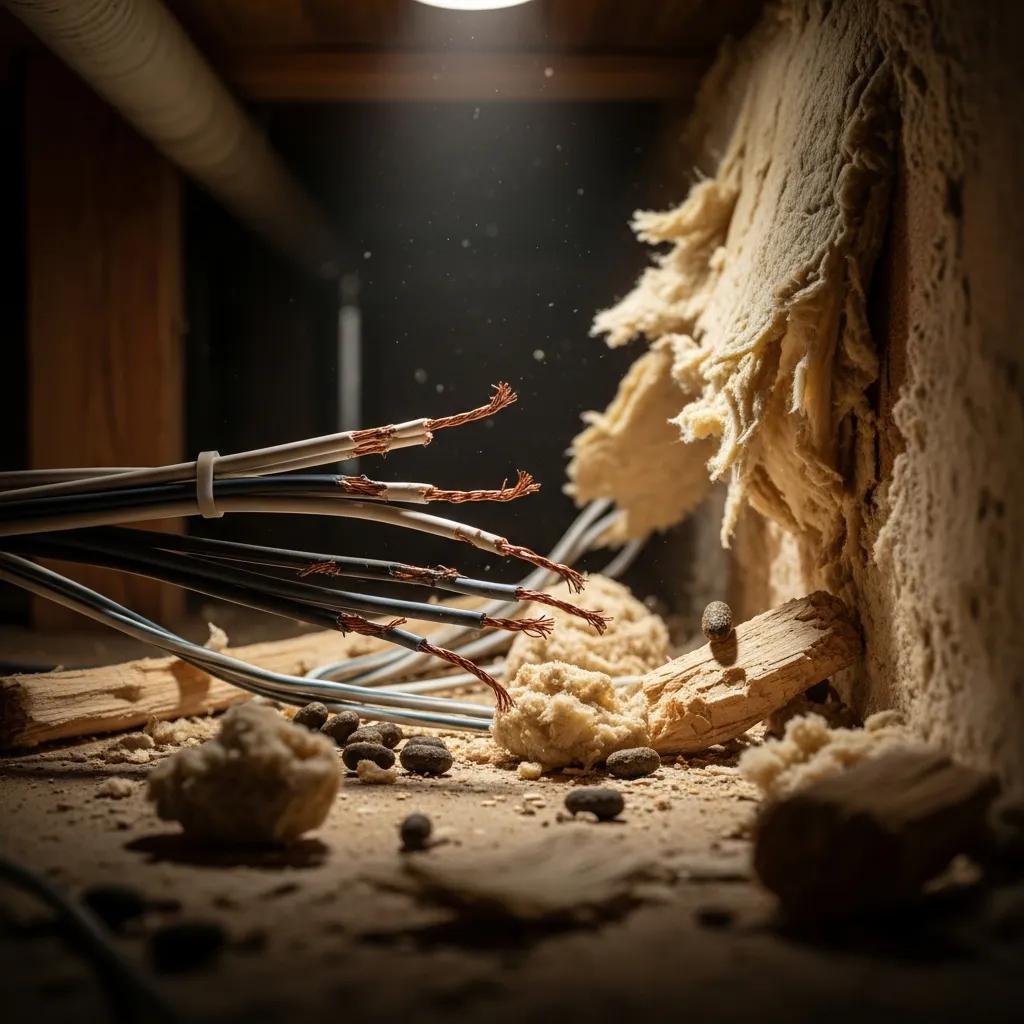
Squirrels can cause various types of damage to your property, which can lead to costly repairs. Understanding the potential risks is vital for homeowners. Some common types of damage include:
- Structural Damage: Squirrels can chew through wood, insulation, and even electrical wiring, posing fire hazards.
- Health Risks: Squirrel droppings can carry diseases, and their nesting materials may harbor parasites.
- Sanitation Issues: Accumulated droppings and urine can lead to unpleasant odors and unsanitary conditions.
Recognizing these potential damages can help you take preventive measures to protect your home.
Effective Control Measures
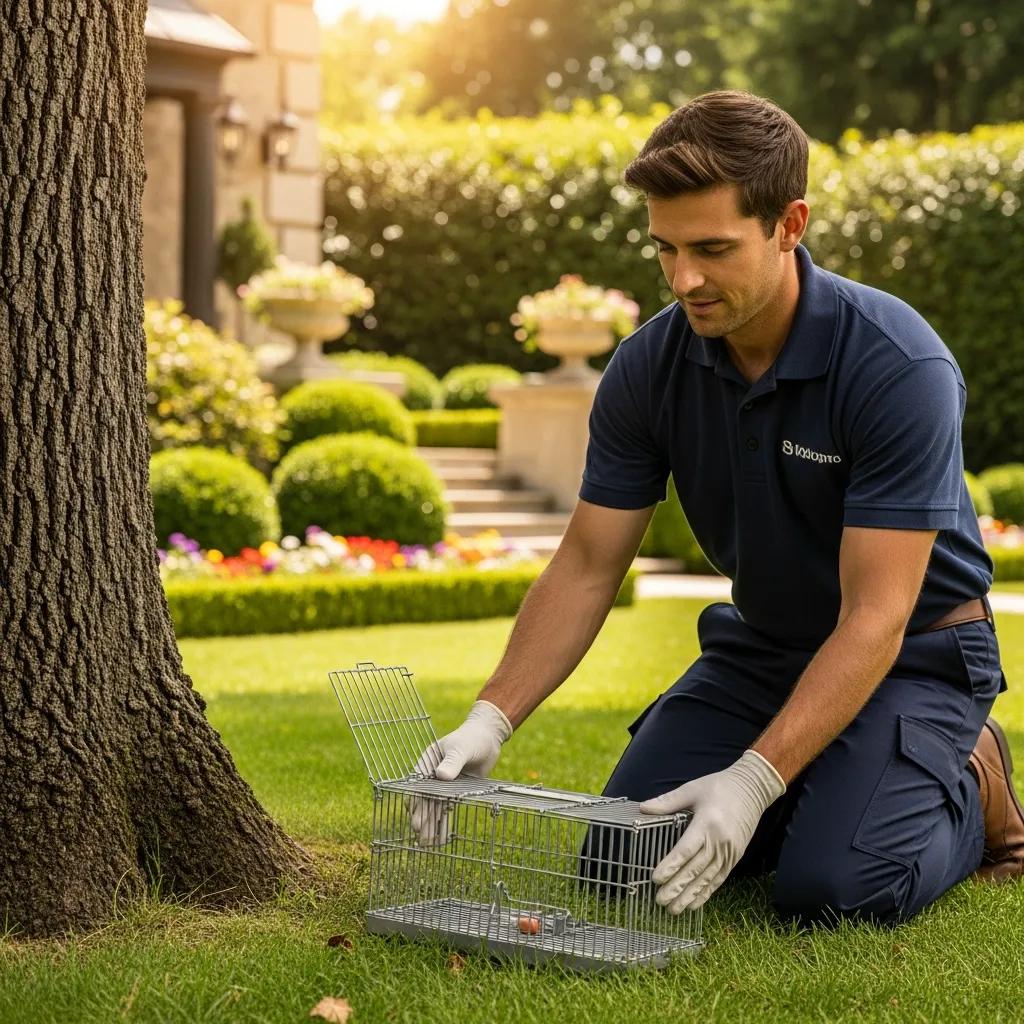
Controlling a squirrel infestation requires a combination of preventive measures and removal strategies. Here are some effective methods:
- Preventive Measures: Seal entry points around your home, such as gaps in roofs, vents, and chimneys, to deter squirrels from entering.
- Humane Trapping: Use humane traps to capture and relocate squirrels without harming them.
- Professional Pest Control: If the infestation is severe, consider hiring a “pest control service” that specializes in wildlife removal and pest management.
These strategies can help you manage and prevent future infestations effectively.
How to Identify Squirrel Droppings and Their Characteristics
Squirrel droppings are a clear indicator of their presence. Identifying them can help confirm an infestation. Squirrel droppings are typically:
- Shape and Size: They are small, cylindrical, and about 0.5 to 0.75 inches long.
- Color and Texture: Fresh droppings are dark brown or black and may have a shiny appearance. As they age, they become lighter and drier.
- Health Risks: Squirrel droppings can carry diseases, making it essential to handle them with care.
Recognizing these characteristics can aid in identifying a squirrel problem early.
What Does Squirrel Damage Look Like Inside Your Home?
Inside your home, squirrel damage can manifest in several ways. Common signs include:
- Chewed Electrical Wiring: Squirrels often gnaw on wires, which can lead to electrical fires.
- Shredded Insulation: They may use insulation for nesting material, compromising your home’s energy efficiency.
- Nesting Materials: Finding nests made of leaves, twigs, and other debris in your attic or walls is a clear sign of infestation.
Identifying these signs promptly can help mitigate further damage.
How Can You Tell If Squirrels Are in Your Attic or Walls?
Determining whether squirrels are in your attic or walls involves observing specific signs. Look for:
- Audible Noises: Listen for scratching or scurrying sounds, especially during early morning or late evening.
- Physical Signs: Check for droppings or gnawed materials near entry points.
- Behavioral Patterns: Squirrels are often seen running along power lines or trees near your home.
These indicators can help you confirm their presence and take appropriate action.
What Are the Typical Noises Squirrels Make in Walls and Attics?
Squirrels produce various sounds that can indicate their presence in your home. Common noises include:
- Scratching: This sound often occurs as squirrels move around or build nests.
- Chirping or Chattering: These vocalizations are common.
- Thumping: Loud thumps may indicate squirrels jumping or running.
Understanding these noises can help you identify a potential infestation.
How Do Squirrels Enter Residential and Commercial Properties?
Squirrels are adept at finding entry points into buildings. Common ways they gain access include:
- Gaps in Roofs: Squirrels can squeeze through small openings in roofs or eaves.
- Vents and Chimneys: Unscreened vents and chimneys provide easy access for squirrels.
- Trees and Power Lines: Squirrels often use trees or power lines to jump onto roofs.
Sealing these entry points is crucial for preventing infestations.
What Are the Effective Methods for Removing and Preventing Squirrel Infestations?
To effectively remove and prevent squirrel infestations, consider the following methods:
- Humane Trapping Techniques: Use traps to capture squirrels without harming them, allowing for relocation.
- Exclusion Methods: Seal all potential entry points to prevent future access.
- Professional Pest Control Services: Engage experts for comprehensive wildlife management solutions.
Implementing these methods can significantly reduce the risk of squirrel infestations.
Why Is Post-Removal Clean-up Important After a Squirrel Infestation?
Post-removal clean-up is essential for several reasons:
- Health Risks: Squirrel droppings and urine can pose health hazards, requiring thorough cleaning.
- Potential Damage: Contaminated areas may need repairs to restore safety and sanitation.
- Best Practices: Following proper clean-up procedures ensures that your home is safe and free from lingering issues.
Understanding the importance of clean-up can help maintain a healthy living environment.
What Are the Health Risks Associated with Squirrel Infestations?
Squirrel infestations can lead to various health risks, including:
- Diseases: Squirrel droppings can carry diseases such as leptospirosis and salmonella.
- Parasites: Squirrels may introduce parasites.
- Contamination Risks: Accumulated droppings can contaminate food sources and living areas.
Being aware of these risks is crucial for protecting your health and safety.
Research further highlights the specific concern of squirrels acting as vectors for diseases like leptospirosis in urban environments.
Squirrels & Leptospirosis: Urban Disease Transmission Risk
The co-existence or interaction of squirrels with humans and domestic animals within the urban environment could serve as an interface for the disease transmission like leptospirosis.
Squirrels and Transmission of Leptospirosis: Awareness and Perception of the University of Ibadan Main Campus Residents,
Nigeria, AO Omonona, 2022
How Does Professional Clean-up Restore Your Property Safely?
Professional clean-up services play a vital role in restoring your property after a squirrel infestation. They typically involve:
- Thorough Inspection: Experts assess the extent of contamination and damage.
- Safe Removal: Trained professionals handle droppings and nesting materials safely to minimize health risks.
- Restoration: Clean-up services often include repairs to damaged areas, ensuring your home is safe and sanitary.
Utilizing professional services can provide peace of mind and ensure a thorough restoration process.