How Professional Squirrel Removal Services Work
Professional squirrel removal services are essential for homeowners facing infestations of these agile rodents. Squirrels can cause significant damage to properties, including chewing through wires, insulation, and structural components. Understanding how these services operate can help homeowners make informed decisions about pest control. This article will explore the systematic process of professional squirrel removal, including key steps, humane trapping methods, and prevention techniques. Additionally, we will discuss the costs associated with these services and the benefits of choosing a professional wildlife control company in South Florida.
Studies confirm that humane trapping is often considered the most acceptable and effective method for managing squirrel populations and mitigating economic damage.
Evaluating Humane & Cost-Efficient Squirrel Control
Respondents were asked to evaluate shooting, trapping, poisoning and immunocontraception (IMC), according to their perceived efficacy, cost efficiency, and whether they were considered to be humane. The majority of both professionals and enthusiasts indicated support for grey squirrel control to help conserve red squirrels and to reduce economic damage to timber crops. Respondents’ comparative evaluations of current forms of control showed that trapping is the most acceptable method.
Development of nontarget wildlife exclusion devices for small mammal trap protection, G Hummell, 2018
What Are the Key Steps in Professional Squirrel Removal?
The process of professional squirrel removal involves several critical steps to ensure effective and humane treatment of the problem.
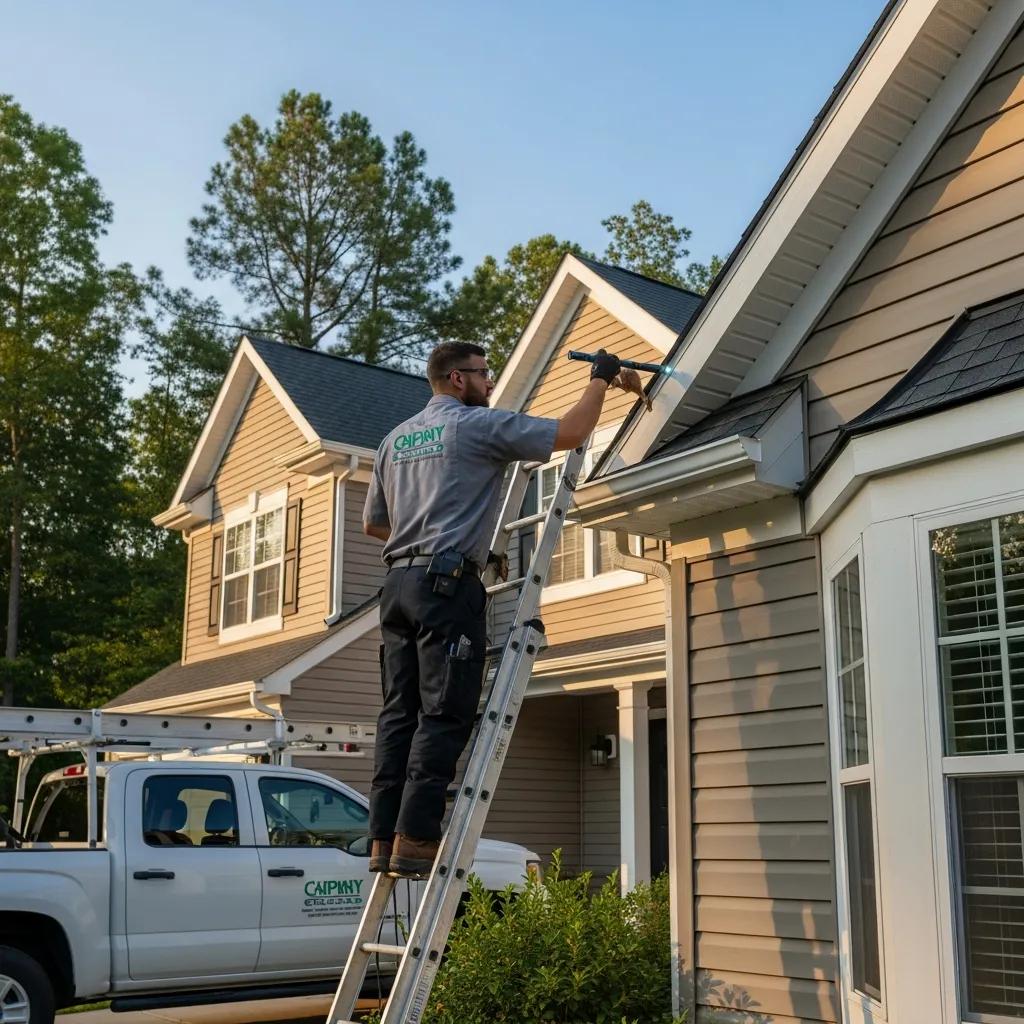
- Inspection and Assessment: Technicians conduct a thorough inspection of the property to identify signs of squirrel activity, including droppings, nesting locations, and entry points.
- Humane Trapping and Removal: Once the assessment is complete, humane trapping methods are employed to capture the squirrels without harm.
- Exclusion and Repair: After removal, professionals seal entry points and repair any damage caused by the squirrels to prevent future infestations.
For homeowners in need of assistance, contacting a reputable pest control company for a free inspection can be a valuable first step in addressing squirrel issues.
How Do Experts Conduct Free Inspections and Assessments?
During a free inspection, experts evaluate the property to determine the extent of the squirrel problem. This comprehensive inspection includes:
- Detailed Mapping of Entry Points: Technicians identify all potential entry points that squirrels may use to access the home.
- Prioritized Recommendations: Based on their findings, professionals provide homeowners with prioritized recommendations for addressing the infestation and preventing future occurrences.
This thorough approach ensures that all aspects of the squirrel problem are addressed effectively.
What Humane Trapping Methods Are Used for Safe Squirrel Capture?
Humane trapping methods are crucial for the ethical removal of squirrels. These methods include:
- Live Traps: These traps capture squirrels without harming them, allowing for safe relocation.
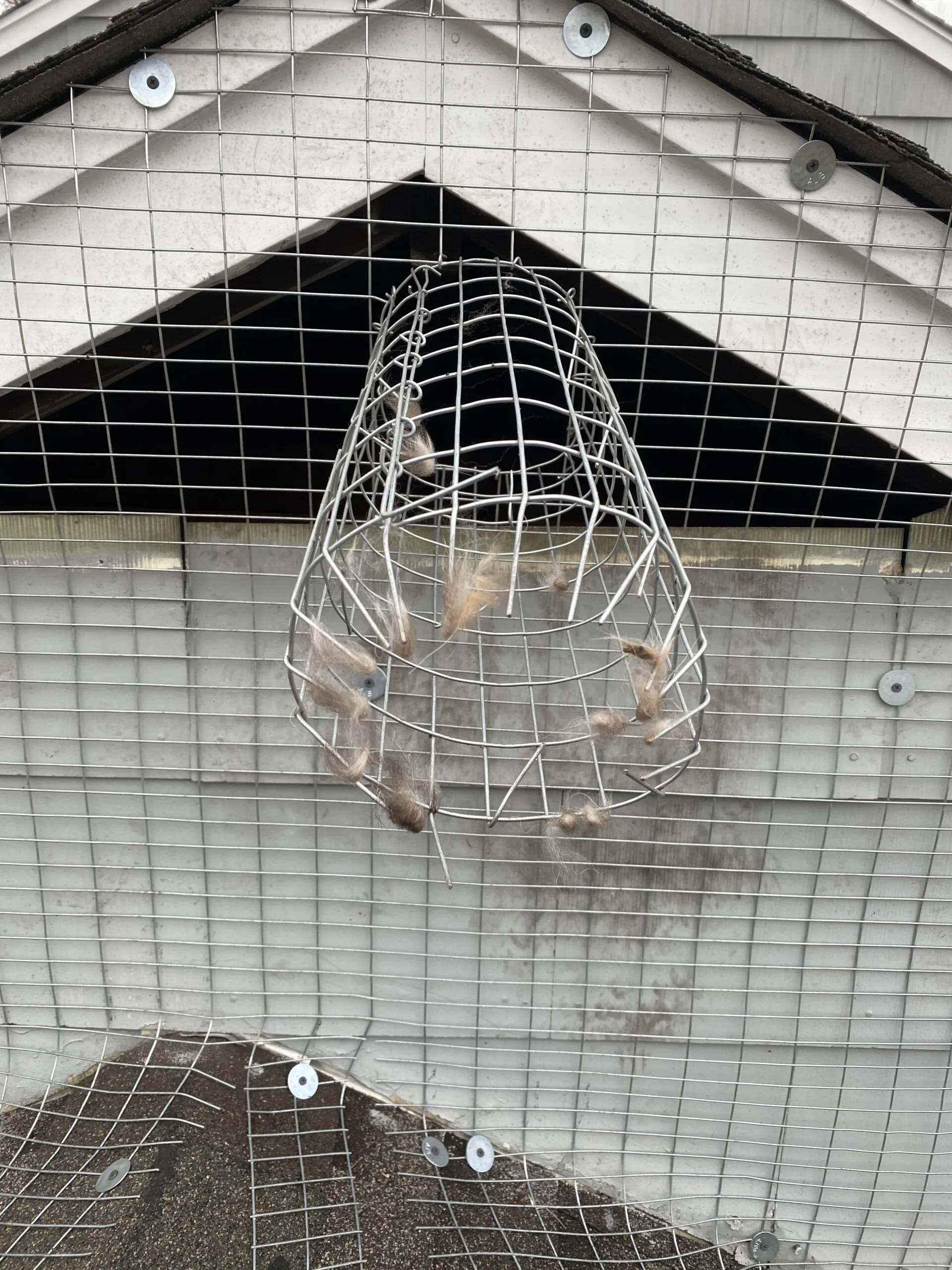
- One-Way Exclusion Devices: These devices enable squirrels to exit but prevent them from re-entering the property.
- Behavioral Timing: Understanding squirrel behavior helps in setting traps at optimal times for successful capture.
These humane methods not only protect the animals but also comply with local wildlife regulations.
Research further supports the effectiveness of specialized exclusion devices in preventing squirrels from re-entering properties.
Squirrel Exclusion Devices for Pest Control
gray squirrels (Sciurus carolinensis) is a significant challenge. Our goal was to produce a protective exclusion device ® and a raccoon exclusion device (RED)—for efficacy of reducing
Development of nontarget wildlife exclusion devices for small mammal trap protection, G Hummell, 2018
How Do Professionals Prevent Squirrels from Returning?
Preventing squirrels from returning involves several proactive measures:
- Sealing Entry Points: Professionals ensure that all identified entry points are securely sealed to prevent re-entry.
- Landscaping Management: Adjusting landscaping can reduce attractants, such as food sources and nesting sites.
- Ongoing Monitoring: Regular follow-ups help ensure that the property remains squirrel-free.
These strategies are essential for long-term success in wildlife control.
What Animal Exclusion Techniques Ensure Long-Term Protection?
Animal exclusion techniques are vital for maintaining a squirrel-free environment. Key techniques include:
- Regular Inspections: Scheduled inspections help identify new potential entry points before they become a problem.
- Sanitation and Insulation Replacement: Ensuring that food sources are removed and insulation is intact can deter squirrels from nesting.
- Follow-Up Monitoring: Continuous monitoring allows for quick action if any signs of re-infestation occur.
Implementing these techniques can significantly reduce the likelihood of future squirrel problems.
How Is Property Damage Repaired After Removal?
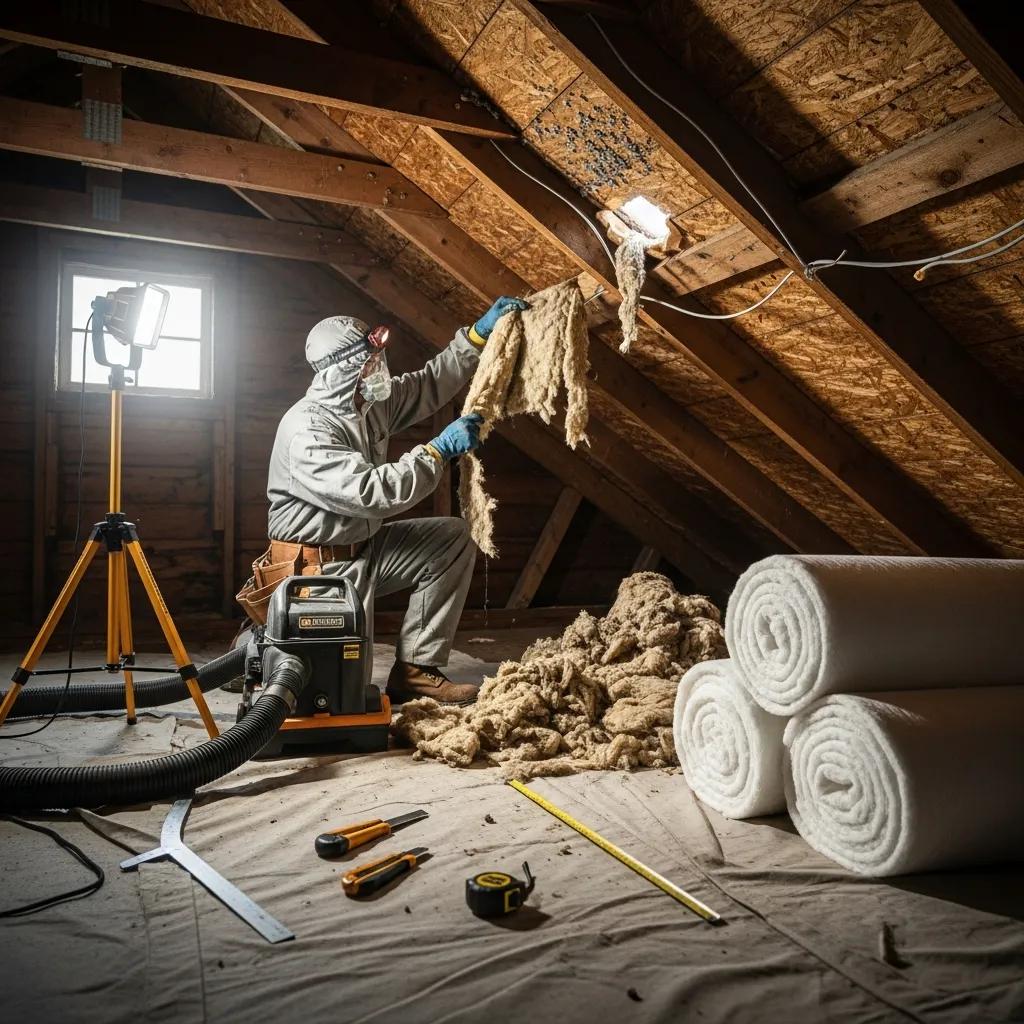
After squirrels are removed, addressing any damage they caused is crucial. The repair process typically involves:
- Containment and Removal of Contaminated Materials: Any materials damaged by squirrels, such as insulation or wiring, must be safely removed.
- Sanitization and Deodorization: Cleaning the affected areas helps eliminate odors and potential health hazards.
- Structural Repairs: Repairing any physical damage ensures the integrity of the property.
These steps are essential for restoring the property to its original condition and preventing future infestations.
What Are the Typical Costs and Service Inclusions for Squirrel Removal?
Understanding the costs associated with squirrel removal can help homeowners budget effectively. Typical costs may include:
| Service | Cost | Inclusions |
|---|---|---|
| Single-entry attic removal | $249 | Inspection, trapping, and exclusion |
| Multi-entry exclusion | $349 | Comprehensive assessment and repairs |
| Cleanup and insulation remediation | $199 | Removal of contaminated materials and replacement |
These costs can vary based on the extent of the infestation and the specific services required.
How Is Pricing Determined for Humane Squirrel Removal Services?
Pricing for humane squirrel removal services is influenced by several factors:
- Infestation Scope: The severity of the infestation directly impacts the cost of services.
- Location and Accessibility: Properties that are harder to access may incur higher service fees.
- Required Remediation: Additional repairs or cleanup can increase overall costs.
Understanding these factors can help homeowners anticipate expenses related to squirrel removal.
What Does a Comprehensive Service Plan Include?
A comprehensive service plan for squirrel removal typically encompasses several key components:
- Inspection and Assessment: Initial evaluation to identify the extent of the problem.
- Humane Trapping and Removal: Safe capture and relocation of squirrels.
- Follow-Up Inspections: Ongoing monitoring to ensure the effectiveness of the removal process.
These elements work together to provide a thorough approach to wildlife control.
Why Choose Professional Wildlife Control Services in South Florida?
Choosing professional wildlife control services offers numerous benefits, including:
- Comprehensive Solutions: Professionals provide a full range of services, from inspection to exclusion.
- Expertise and Experience: Trained technicians understand local wildlife behavior and effective removal strategies.
- Health and Safety: Professional services ensure that all procedures comply with safety regulations, protecting both homeowners and wildlife.
These advantages make professional services a wise choice for managing squirrel infestations.
How Does Local Expertise Enhance Removal Effectiveness?
Local expertise plays a crucial role in the effectiveness of squirrel removal services. Key benefits include:
- Understanding Local Wildlife Behavior: Professionals familiar with local squirrel populations can tailor their strategies for better results.
- Knowledge of Local Regulations: Compliance with wildlife laws ensures ethical treatment of animals during removal.
- Effective Communication with Clients: Local experts can provide personalized service and address specific concerns of homeowners.
This localized knowledge enhances the overall effectiveness of wildlife control efforts.
What Safety and Compliance Standards Are Followed?
Safety and compliance are paramount in professional squirrel removal. Key standards include:
- Use of Personal Protective Equipment: Technicians wear appropriate gear to protect themselves during the removal process.
- Humane Trapping and Handling: All methods used comply with humane treatment guidelines.
- Regulatory Compliance: Services adhere to local and state regulations regarding wildlife control.
These standards ensure that the removal process is safe for both the technicians and the animals involved.