
Discover Uncommon Natural Pest Control Solutions Today
Natural pest control solutions are becoming increasingly popular among homeowners seeking effective and eco-friendly methods to manage pests. These solutions not only minimize the use of harmful chemicals but also promote a healthier living environment. In this article, we will explore various natural pest control methods, focusing on their mechanisms, benefits, and practical applications. Homeowners in South Florida, in particular, can benefit from these strategies, as they address common pest issues in the region. We will cover effective natural repellents, organic termite control, homemade pest sprays, and humane wildlife removal techniques. By understanding these methods, you can create a pest-free home while supporting environmental sustainability.
What Are the Most Effective Natural Pest Repellents for South Florida?
Natural pest repellents are substances derived from plants or other natural sources that deter pests without the use of synthetic chemicals. These repellents work by emitting scents or compounds that disrupt the pests’ sensory systems, making the environment less appealing to them. For South Florida homeowners, effective natural repellents can significantly reduce pest populations while being safe for families and pets.
The long-standing use and growing popularity of plant-based repellents highlight their perceived safety and efficacy in pest management.
Plant-Based Repellents: Efficacy & Safety in Natural Pest Control
Plant-based repellents have been used for generations in traditional practice as a personal protection measure against host-seeking mosquitoes. Knowledge on traditional repellent plants obtained through ethnobotanical studies is a valuable resource for the development of new natural products. Recently, commercial repellent products containing plant-based ingredients have gained increasing popularity among consumers, as these are commonly perceived as “safe” in comparison to long-established synthetic repellents although this is sometimes a misconception.
Plant-based insect repellents: a review of their efficacy, development and testing, MF Maia, 2011
To effectively manage pests, consider the following natural repellents:
- Capsaicin-infused pepper sprays: These sprays deter insects and rodents by causing irritation upon contact, making them an effective barrier against unwanted pests.
- Peppermint oil-soaked cotton balls: The strong scent of peppermint oil is known to repel ants, spiders, and other common pests, making it a simple and effective solution.
- Ammonia-soaked rags: Ammonia can deter rodents and other pests due to its strong odor, which they find unpleasant.
Above and Beyond Pest Control specializes in comprehensive pest management services, including the use of these natural repellents to help homeowners maintain a pest-free environment.
How Do Plant-Based Insecticides and Herbal Deterrents Work?
Plant-based insecticides and herbal deterrents function by utilizing natural compounds that disrupt the physiology of pests. These compounds can interfere with the pests’ nervous systems, reproductive systems, or feeding behaviors, ultimately leading to their elimination or deterrence. Additionally, these natural solutions are generally safer for non-target species, including beneficial insects and pets, making them an environmentally friendly choice for pest control.
Research further supports the effectiveness of plant-based insecticides in significantly reducing pest populations.
Plant-Based Insecticides: Efficacy & Pest Reduction
Insecticidal efficacy of developed formulations was tested in-vivo studies in brinjal also indicated the maximum reduction of pest population and bio-efficacy was comparable with the synthetic insecticide.
Formulation of plant based insecticides, their bio-efficacy evaluation and chemical characterization, A Purkait, 2019
Which Essential Oils and Botanical Extracts Are Proven to Repel Common Pests?
Several essential oils and botanical extracts have been scientifically proven to repel common pests effectively. Some of the most notable include:
- Lavender oil: Known for its pleasant scent, lavender oil is effective against mosquitoes and moths.
- Tea tree oil: This oil has antifungal and antibacterial properties, making it useful for repelling a variety of insects.
- Citrus oils: Oils derived from citrus fruits, such as lemon and orange, can deter ants and spiders due to their strong scent.
These natural repellents not only help in pest management but also contribute to a more pleasant living environment.
How Can Organic Termite Control Protect Your Property Safely?
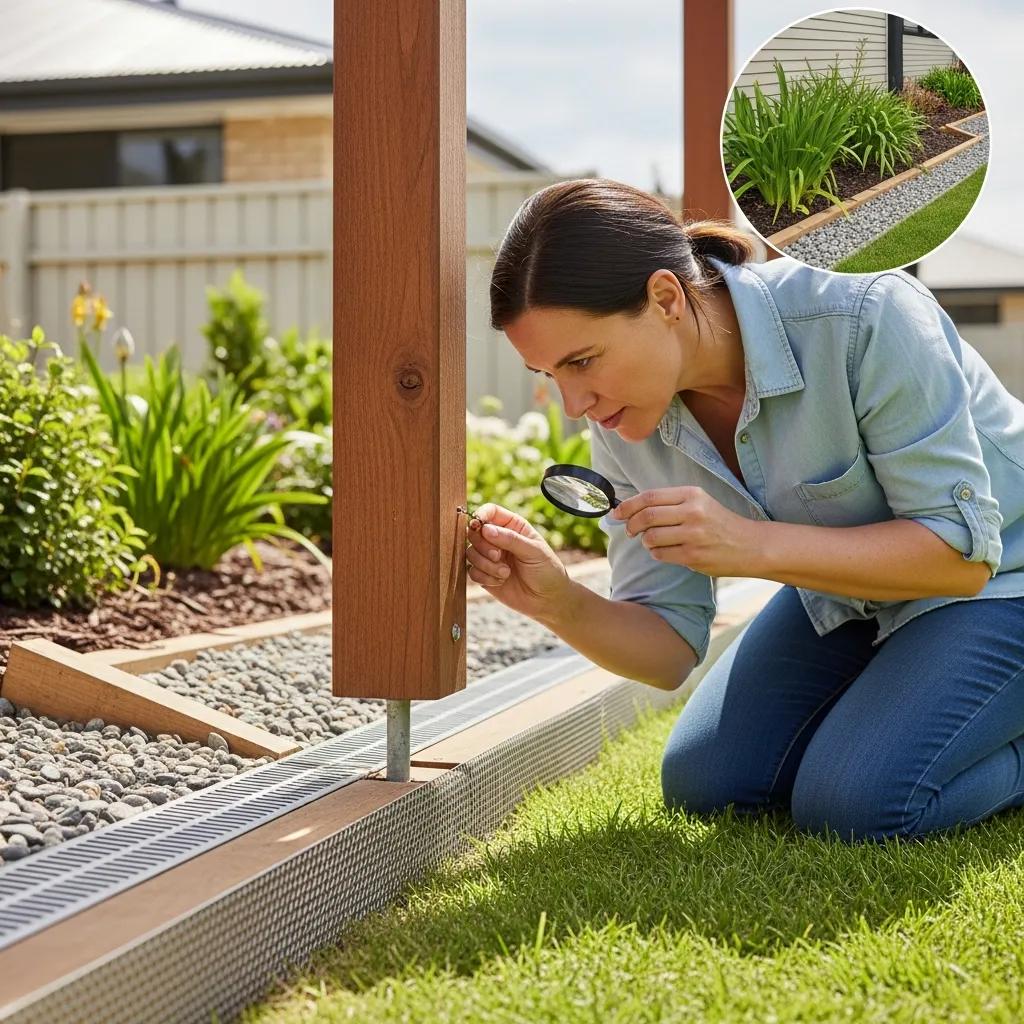
Organic termite control methods focus on using non-toxic substances and techniques to manage termite infestations. These methods are designed to minimize chemical exposure while effectively protecting properties from damage. By employing organic solutions, homeowners can maintain a safer indoor environment and promote healthier air quality.
The benefits of using organic termite management techniques include:
- Reduced chemical exposure: Organic methods significantly lower the risk of harmful chemical exposure for residents and pets.
- Environmental safety: These techniques are less likely to harm beneficial insects and the surrounding ecosystem.
- Healthier indoor air quality: By avoiding toxic chemicals, homeowners can improve the overall air quality within their homes.
What Are the Benefits of Using Non-Toxic Termite Management Techniques?
Non-toxic termite management techniques offer several advantages over traditional chemical treatments. These benefits include enhanced environmental safety, as they do not pose risks to non-target species or the surrounding ecosystem. Additionally, many organic methods are cost-effective, providing long-term solutions without the need for frequent reapplication.
How Do Physical Barriers and Exclusion Methods Prevent Termite Infestations?
Physical barriers and exclusion methods are essential components of organic termite control. These strategies involve creating barriers that prevent termites from accessing the property, such as:
- Steel mesh: Installing steel mesh around the foundation can block termites from entering.
- Moisture control: Reducing moisture levels in and around the home can deter termites, as they thrive in damp environments.
- Regular inspections: Conducting routine inspections can help identify potential entry points and prevent infestations before they occur.
Indeed, the use of non-chemical physical barriers has gained popularity as a sustainable and effective method for preventing termite infestations.
Sustainable Termite Management with Non-Chemical Physical Barriers
In recent years, the use of physical barriers for sustainable termite management gained popularity due to inherent risks with conventional termite control treatments and erratic performance of bait products in tropical climates. Physical barriers using sand and lahar aggregates are alternative, nonchemical control method that can be used to prevent tunneling and penetration of subterranean termites into wood structures. The installations of these barriers are relatively simple, requiring no expensive equipment with barrier remaining effective for an indefinite period of time against various species of temperate and tropical termites. Although these methods offer a sustainable and environmentally friendly alternative, limited commercial applications of these techniques have been developed to date.
Sustainable termite management using physical barriers, MN Acda, 2017
Implementing these methods can significantly reduce the risk of termite infestations and protect your property.
What Are the Best Homemade Pest Sprays and Eco-Friendly Insecticides?
Homemade pest sprays and eco-friendly insecticides are effective alternatives to commercial products, allowing homeowners to manage pests using readily available ingredients. These solutions are often less toxic and can be customized to target specific pests.
To prepare effective non-toxic pest sprays at home, consider the following ingredients:
- Vinegar: A natural insect repellent that can deter ants and spiders when sprayed around entry points.
- Dish soap: Mixing dish soap with water creates a solution that can suffocate soft-bodied insects like aphids and spider mites.
- Garlic: Garlic-infused sprays can repel a variety of pests due to its strong odor.
How to Prepare and Apply Effective Non-Toxic Pest Sprays at Home?
To create a simple homemade pest spray, follow these steps:
- Gather ingredients: Choose your base (vinegar, dish soap, or garlic) and mix it with water in a spray bottle.
- Mix thoroughly: Ensure the ingredients are well combined to create an effective solution.
- Apply strategically: Spray the mixture around areas where pests are commonly seen, such as entry points, gardens, and indoor plants.
This method allows for easy and safe pest management without relying on harsh chemicals.
What Are the Safety and Environmental Advantages of Homemade Solutions?
Homemade pest control solutions offer numerous safety and environmental advantages. By using natural ingredients, homeowners can reduce their exposure to harmful chemicals, promoting a healthier living environment. Additionally, these solutions are often biodegradable, minimizing their impact on the ecosystem. This approach aligns with the growing trend of eco-friendly pest management, allowing homeowners to protect their properties while being mindful of the environment.
How Humane Wildlife Removal & Eco-Friendly Cleanup Boost Pest Control
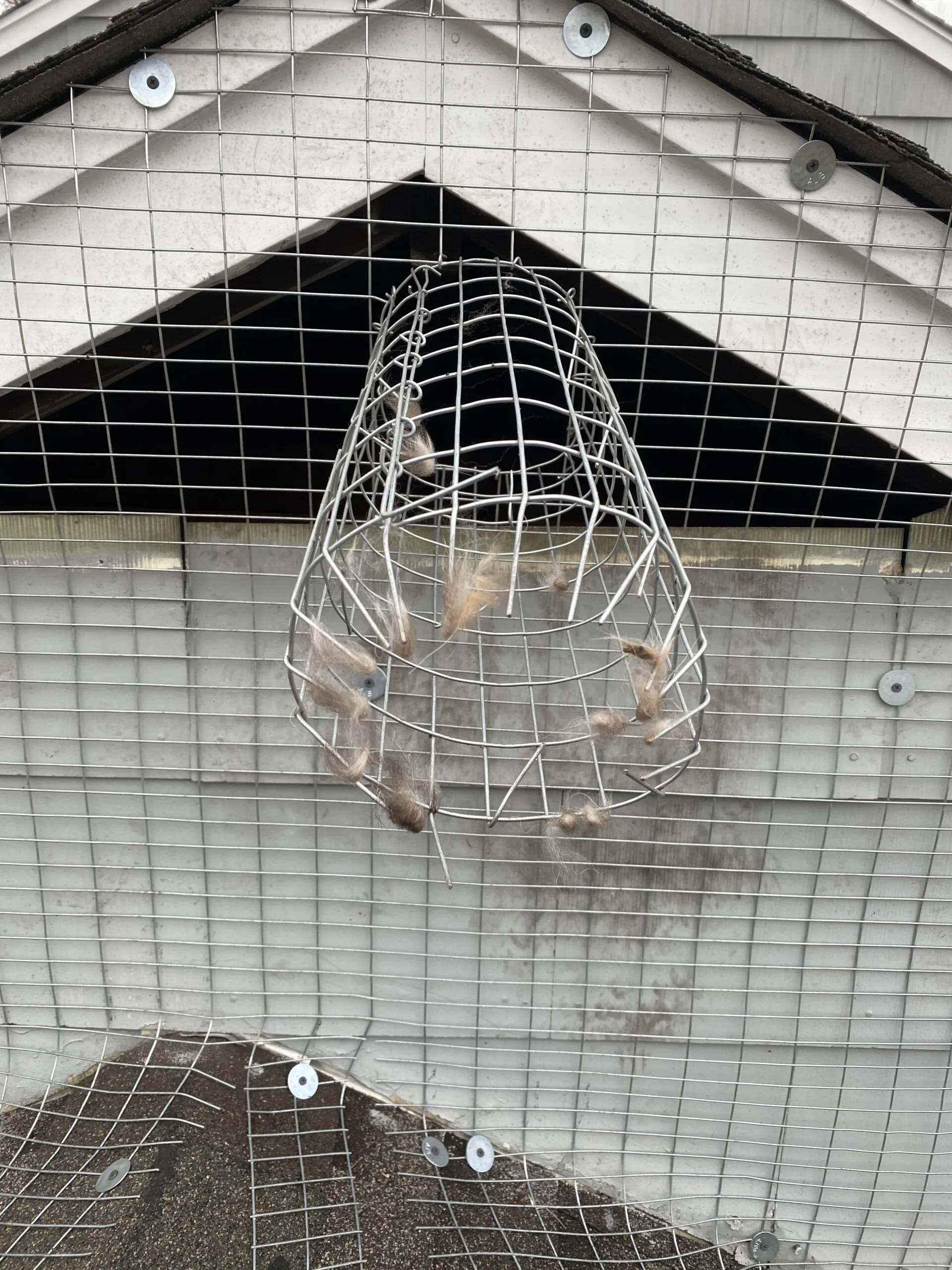
Humane wildlife removal focuses on safely and ethically managing wildlife that may invade residential areas. This approach not only protects the animals but also supports the ecological balance within the environment. By employing humane methods, homeowners can address wildlife issues without resorting to lethal measures.
The benefits of humane wildlife removal include:
- Ecological balance: Maintaining wildlife populations helps preserve the natural ecosystem and biodiversity.
- Health and safety: Humane removal reduces the risk of disease transmission associated with wildlife infestations.
What Trapping and Exclusion Techniques Are Used for Wildlife Management?
Effective wildlife management often involves a combination of trapping and exclusion techniques. Some common methods include:
- Live traps: These traps capture animals without harming them, allowing for safe relocation.
- Exclusion barriers: Installing fences or netting can prevent wildlife from entering specific areas, such as gardens or attics.
- Natural deterrents: Using scents or sounds that are unpleasant to wildlife can help keep them at bay.
These techniques promote a humane approach to pest control while ensuring the safety of both residents and wildlife.
How Does Environmental Sanitation Enhance Long-Term Pest Prevention?
Environmental sanitation plays a crucial role in long-term pest prevention. By maintaining cleanliness and reducing clutter, homeowners can minimize the conditions that attract pests. Key practices include:
- Regular cleaning: Keeping living spaces clean and free of food debris can deter pests from entering.
- Proper waste management: Ensuring that trash is securely stored and disposed of can prevent attracting rodents and insects.
- Landscaping maintenance: Regularly trimming vegetation and removing standing water can reduce pest habitats.
Implementing these sanitation practices can significantly enhance pest prevention efforts, creating a healthier and more comfortable living environment.
For comprehensive pest management services, consider reaching out to professionals who can assess your specific needs and provide tailored solutions.
When dealing with wildlife intrusions, it’s essential to consider humane wildlife removal methods to ensure the safety of both your family and the animals.
Effective trapping techniques play a crucial role in managing wildlife populations and preventing property damage.
To prevent wildlife from entering your property, consider implementing exclusions, which involve sealing potential entry points.
After wildlife removal, proper clean-ups are essential to remove any contaminants and restore a safe living environment.