Benefits of Hiring Squirrel Removal Professionals
Squirrels can be charming creatures, but when they invade your home or business, they can cause significant damage and health risks. Hiring professional squirrel removal services is essential for effective and humane management of these pests. This article will explore the numerous benefits of engaging experts for squirrel removal, including safety, efficiency, and long-term prevention strategies. Many homeowners and business owners face challenges when dealing with squirrel infestations, often leading to costly repairs and health hazards. By understanding the advantages of professional services, you can make informed decisions to protect your property. We will cover the risks of DIY removal, the methods used by professionals, the cost factors involved, and the importance of post-removal clean-up.
Why Choose Professional Squirrel Removal Services?
Professional squirrel removal services offer effective solutions that mitigate safety and health risks associated with infestations. These experts are trained to handle wildlife safely, ensuring that both the animals and your property are treated with care. Additionally, hiring professionals can be more cost-effective in the long run compared to DIY methods, which often lead to incomplete removal and recurring issues.
Indeed, the growing need for specialized expertise in managing wildlife conflicts has led to the formalization of this crucial profession.
The Emergence of Wildlife Control Operators
Consequently, the profession of Wildlife Control Operators (WCOs) has emerged as a viable industry to manage negative wildlife interactions and conflicts.
Developing training standards for wildlife control operators, 2019
What Are the Risks of DIY Squirrel Removal?
Attempting DIY squirrel removal can pose several risks, including:
- Homeowner Injury Risks: Untrained individuals may sustain injuries from falls or bites while trying to capture or remove squirrels.
- Legal Complications: Many regions have laws protecting certain wildlife species, and improper handling can lead to legal issues.
- Incomplete Exclusion Leading to Re-Infestation: DIY methods often fail to address the root cause of the infestation, allowing squirrels to return.
Understanding these risks highlights the importance of professional intervention in managing squirrel problems effectively.
How Do Licensed Technicians Ensure Safe and Humane Removal?
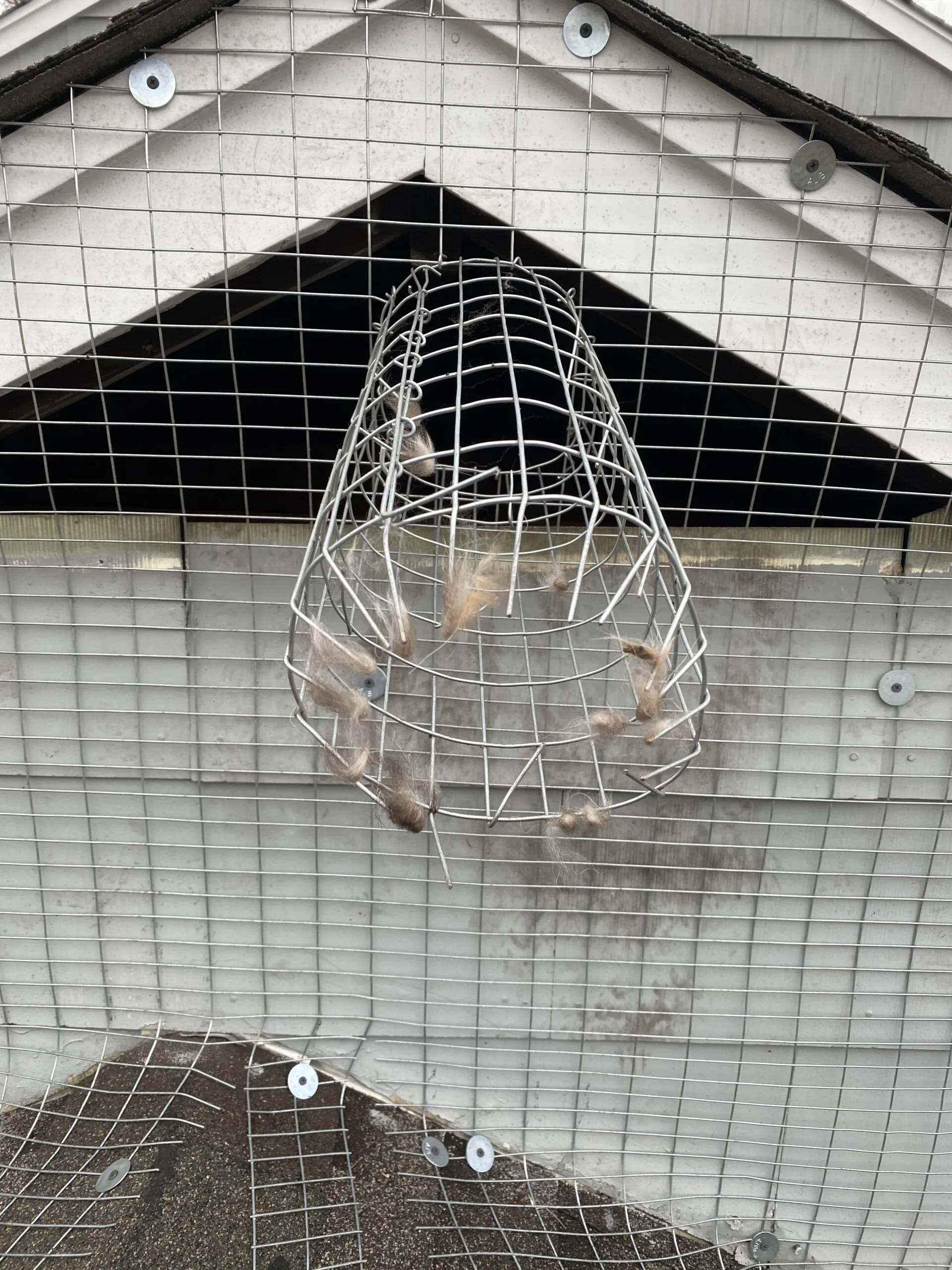
Licensed technicians utilize humane trapping methods and exclusion techniques to ensure the safe removal of squirrels. They follow established protocols that prioritize the well-being of the animals while effectively addressing the infestation. These professionals conduct thorough inspections to identify entry points and implement exclusion strategies to prevent future access. Ongoing assessments are also performed to ensure the effectiveness of the removal process, providing peace of mind for homeowners and business owners alike.
What Are the Common Methods Used in Professional Squirrel Removal?
Professional squirrel removal involves several methods designed to effectively manage infestations while minimizing harm to the animals.
- Inspection and Identification of Entry Points: Technicians conduct detailed inspections to locate potential entry points and assess the extent of the infestation.
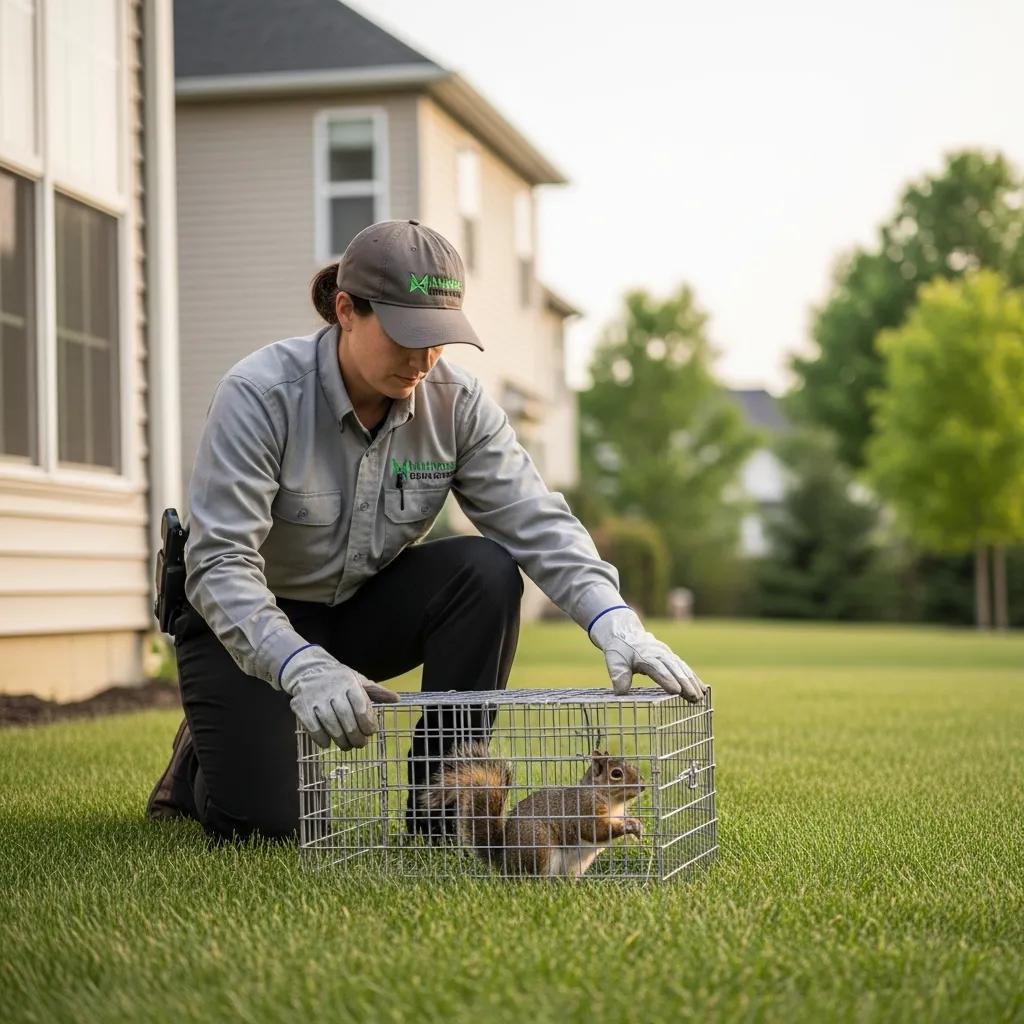
- Humane Trapping Methods: Live traps are used to capture squirrels without causing them harm, allowing for safe relocation.
- Follow-Up Inspections for Effectiveness: After removal, professionals perform follow-up inspections to ensure that the problem has been resolved and that no new entry points have been created.
These methods not only address the immediate issue but also contribute to long-term prevention strategies.
How Does Humane Squirrel Trapping Work?
Humane squirrel trapping involves several key steps:
- Inspection for Entry Points: Technicians identify where squirrels are entering the property.
- Use of Live Traps: Live traps are strategically placed to capture squirrels without injury.
- Sanitation After Removal: Once captured, the area is sanitized to remove any potential health hazards left by the squirrels.
This approach ensures that the removal process is both effective and ethical.
What Are Squirrel Exclusion Techniques to Prevent Re-Entry?
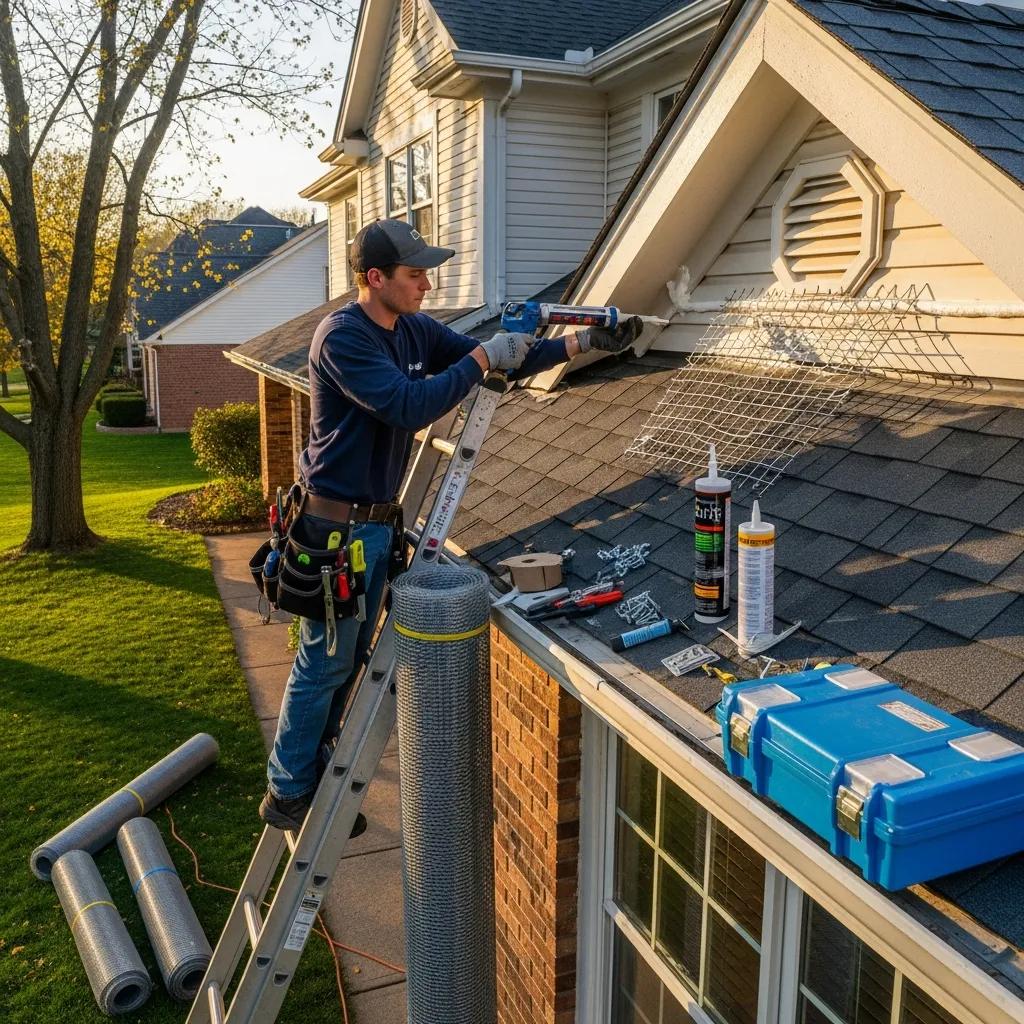
Preventing squirrels from re-entering your property is crucial for long-term management. Effective exclusion techniques include:
- Sealing Entry Points: All identified entry points are sealed to prevent future access.
- Regular Property Inspections: Ongoing inspections help identify new vulnerabilities.
- Landscaping Management: Adjusting landscaping can deter squirrels from approaching the property.
Implementing these techniques significantly reduces the likelihood of future infestations.
How Is the Cost of Professional Squirrel Removal Determined?
The cost of professional squirrel removal varies based on several factors, including the scope of the infestation, location, and the complexity of the removal process.
What Factors Influence Squirrel Removal Pricing?
Several factors can influence the pricing of squirrel removal services:
- Infestation Scope and Location: Larger infestations or those in hard-to-reach areas may incur higher costs.
- Material Selection for Exclusion: The type of materials used for sealing entry points can affect overall pricing.
- Engagement of Licensed Contractors: Hiring licensed professionals may come at a premium, but it ensures quality service.
Understanding these factors can help homeowners budget effectively for squirrel removal services.
What Service Packages Are Available for Comprehensive Wildlife Control?
Many companies offer service packages that include:
- Wildlife Removal Services: Comprehensive removal of squirrels and other wildlife.
- Trapping and Exclusion Services: Techniques to capture and prevent re-entry.
- Clean-Up and Sanitation Services: Post-removal clean-up to address any health hazards.
These packages provide a holistic approach to wildlife control, ensuring that all aspects of the infestation are managed effectively.
What Are the Benefits of Post-Removal Clean-Up and Damage Repair?
Post-removal clean-up and damage repair are essential steps in the squirrel removal process. These services help mitigate health hazards and restore properties to their original condition.
How Do Professionals Restore Properties After Squirrel Removal?
Professionals follow a systematic approach to restore properties, which includes:
- Removal of Contaminated Materials: Any materials contaminated by squirrels are safely removed.
- Sanitization and Deodorization: The area is thoroughly sanitized to eliminate odors and health risks.
- Inspection and Repair of Damages: Technicians assess and repair any damage caused by the infestation.
This comprehensive restoration process ensures that properties are safe and habitable after a squirrel removal.
Why Is Long-Term Prevention Important for Homeowners and Businesses?
Long-term prevention is crucial for maintaining a pest-free environment. Key benefits include:
- Cost-Effectiveness of Prevention: Investing in prevention can save homeowners from costly repairs associated with future infestations.
- Health Benefits of Reduced Pesticide Use: Preventive measures minimize the need for chemical treatments, promoting a healthier living environment.
- Enhanced Property Value: A well-maintained property is more attractive to potential buyers or tenants.
By prioritizing long-term prevention, homeowners and businesses can protect their investments and ensure a safe environment.