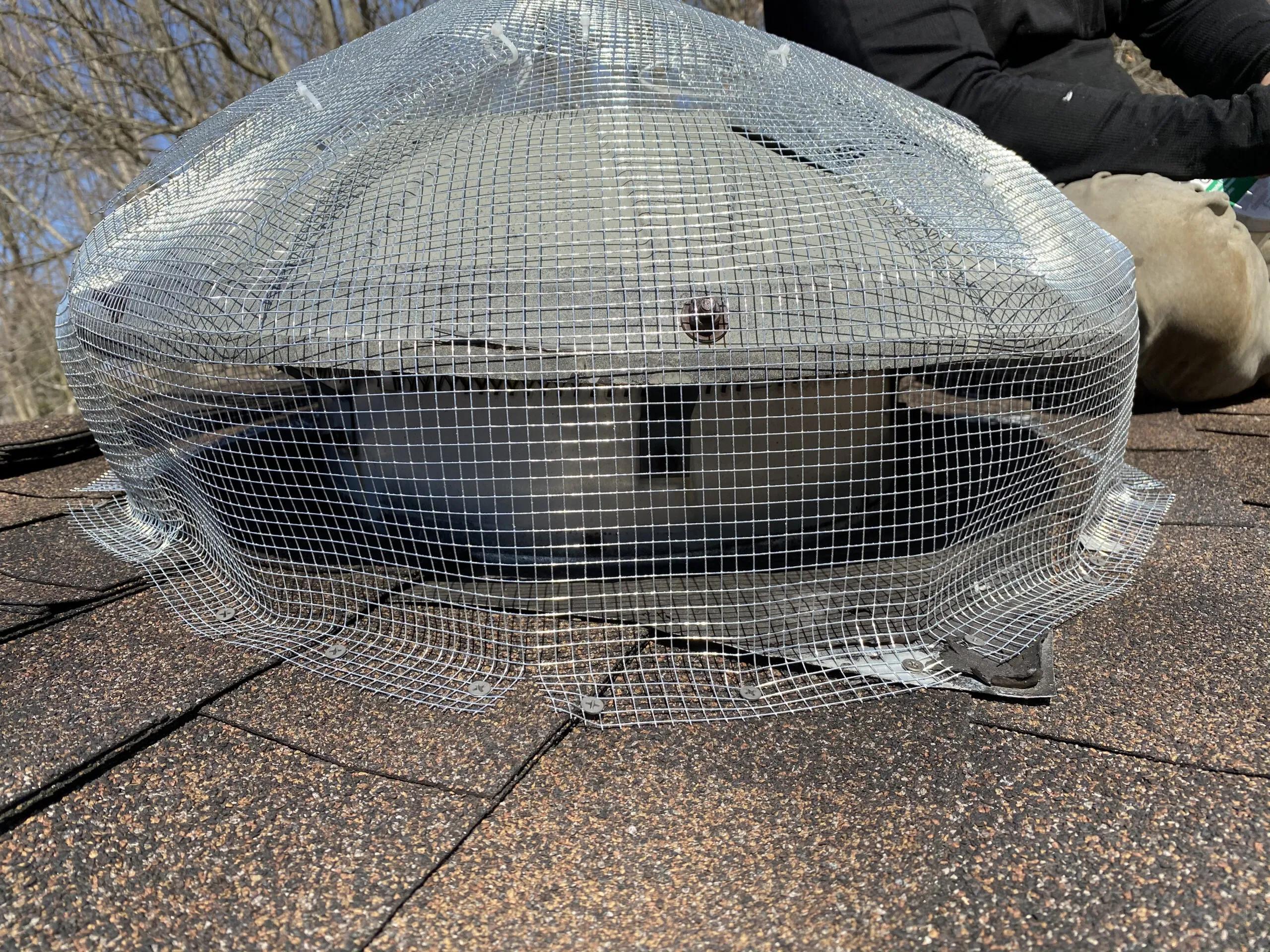
DIY raccoon removal exposes homeowners to serious health and structural risks. Raccoons carry diseases like rabies and roundworm, and their waste contaminates insulation. Without professional exclusion, animals re-enter through unsealed gaps. Above and Beyond Pest Control, established in 2020, offers a six-month to five-year guarantee on all work, ensuring safe, permanent solutions.
Key Takeaways
- Raccoons carry rabies and roundworm, spreading disease through saliva, feces, and contaminated surfaces.
- Cornered raccoons deliver deep puncture wounds with sharp claws and powerful jaws requiring medical care.
- Sealing entry points without confirming animal removal traps raccoons inside, causing extensive structural damage.
- New Jersey licensing requirements govern wildlife trapping and relocation; unlicensed removal violates state law.
What makes DIY raccoon removal so dangerous?
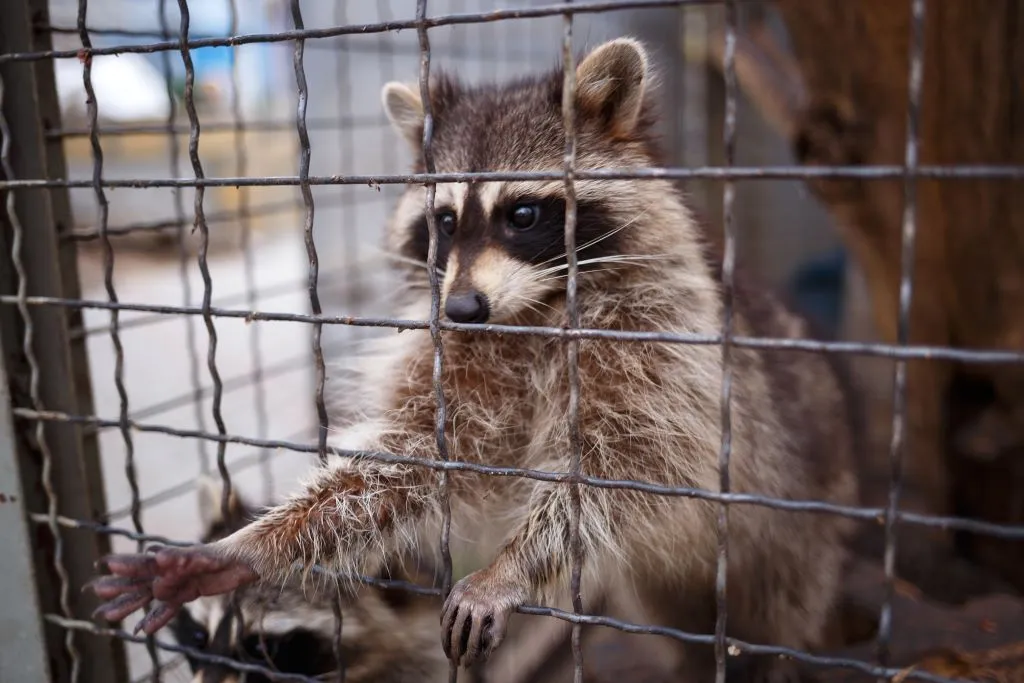
Raccoon removal without professional training exposes homeowners to serious injury and disease. A raccoon that appears calm becomes aggressive when cornered, delivering bites and scratches that require immediate medical care. Raccoon Removal Techniques for Homeowners often overlook how quickly a defensive animal turns hostile inside an attic or crawlspace.
Why do raccoons attack during removal attempts?
Raccoons view confined spaces as territory worth defending. A homeowner reaching into a den triggers a fight response, not a flight response. The animal’s sharp claws and powerful jaws cause deep puncture wounds. These injuries carry infection risk beyond the visible damage.
What diseases do raccoons transmit to people?
Raccoons spread rabies and roundworm through direct contact with saliva, feces, or contaminated surfaces. MidAtlantic Wildlife Control reports that raccoons spread disease while tearing apart attic insulation and creating structural damage. Homeowners without protective equipment face elevated exposure to these pathogens. The risk compounds when cleanup happens without proper respirators or gloves.
What protective gear do homeowners typically lack?
Most households own none of the equipment required for safe wildlife handling. Thick bite-resistant gloves, full-face shields, and HEPA-filtered respirators remain absent from standard home toolkits. Skedaddle Wildlife notes that DIY raccoon removal carries distinct risks precisely because homeowners attempt the work unprepared. Professional removal teams arrive with containment gear, vaccination protocols, and exclusion training.
The consequences of a failed DIY attempt extend beyond the immediate injury. A raccoon that escapes mid-removal relocates deeper into the structure, complicating future extraction. Above & Beyond Pest Control handles these situations with trained technicians who understand raccoon behavior and disease prevention.
Can DIY methods actually damage your home?
DIY raccoon removal often worsens the very damage homeowners try to prevent. Sealing entry points without confirming the animal is gone traps raccoons inside attics or walls. The result is a dead animal, pervasive odor, and a far more expensive remediation project.
What happens when entry points are sealed too early?
A panicked, trapped raccoon tears through anything to escape. Insulation gets shredded. Ductwork is ripped apart. Electrical wiring becomes a chew toy. Mid-Atlantic Wildlife Control notes that raccoons create structural damage and fire hazards when confined. The repair costs from this secondary destruction far exceed professional removal fees.
Why do exclusion attempts fail without removal?
Raccoons inside a home have already found warmth, protection, and access to food. Blocking one entry point simply redirects the animal’s escape efforts. The raccoon claws through soffits, roof decking, or chimney flashing. Skedaddle Wildlife reports that improper trapping and exclusion attempts compound structural damage to attics, chimneys, and crawl spaces. Homeowners then face two problems: the original infestation and fresh destruction.
Raccoon Removal Techniques for Homeowners that rely on guesswork create cascading failures. A mother raccoon separated from kits inside an attic chews through new materials relentlessly. The resulting damage to insulation and wiring introduces fire risk and moisture intrusion. Above & Beyond Pest Control addresses these scenarios with removal-first protocols that prevent secondary destruction. Professional assessment identifies all entry points and ensures complete evacuation before any exclusion work begins.
Are there legal risks to DIY raccoon removal?
New Jersey enforces strict wildlife removal regulations that most homeowners never consider. Licensing requirements govern trapping and relocation activities. Homeowners who attempt raccoon removal techniques for homeowners without proper authorization face real legal exposure. Fines and penalties follow improper handling of nuisance wildlife.
What permits are required for raccoon trapping in New Jersey?
State law mandates specific licenses for wildlife trapping and transport. Unlicensed individuals cannot legally relocate raccoons from a property. The regulations exist to prevent inhumane treatment and disease spread. Violating these rules triggers enforcement actions that escalate quickly.
Can improper raccoon relocation result in fines?
Improper relocation carries significant legal consequences. Moving a raccoon to an unauthorized location is often illegal. It also creates inhumane conditions for the animal. Homeowners risk penalties that far exceed the cost of professional intervention. The legal system treats wildlife violations seriously in Bergen, Essex, and Passaic Counties.
Professional services eliminate this liability entirely. Above & Beyond Pest Control manages all compliance documentation for clients. The company handles paperwork required for mortgage approval and local law adherence. A service guarantee ranging from six months to five years backs every job. Established in 2020, the company provides licensed wildlife removal, exclusion, and cleanup throughout New Jersey. Homeowners avoid legal risk while ensuring humane, regulation-compliant outcomes.
Why do professional methods outperform DIY approaches?
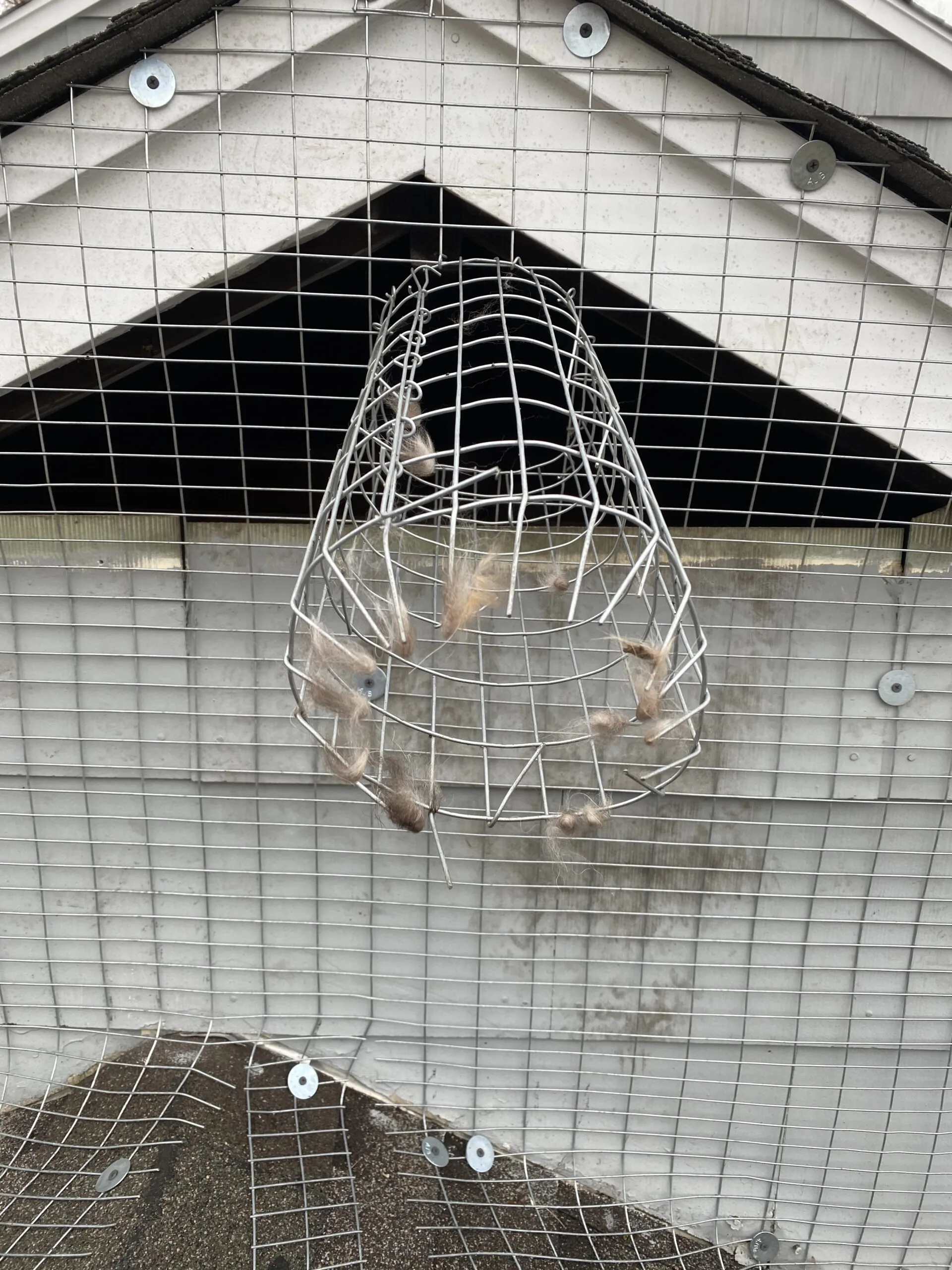
Professional raccoon removal delivers permanent exclusion where DIY attempts only offer temporary relief. Homeowners who trap or repel a raccoon without sealing entry points face repeat invasions within weeks.
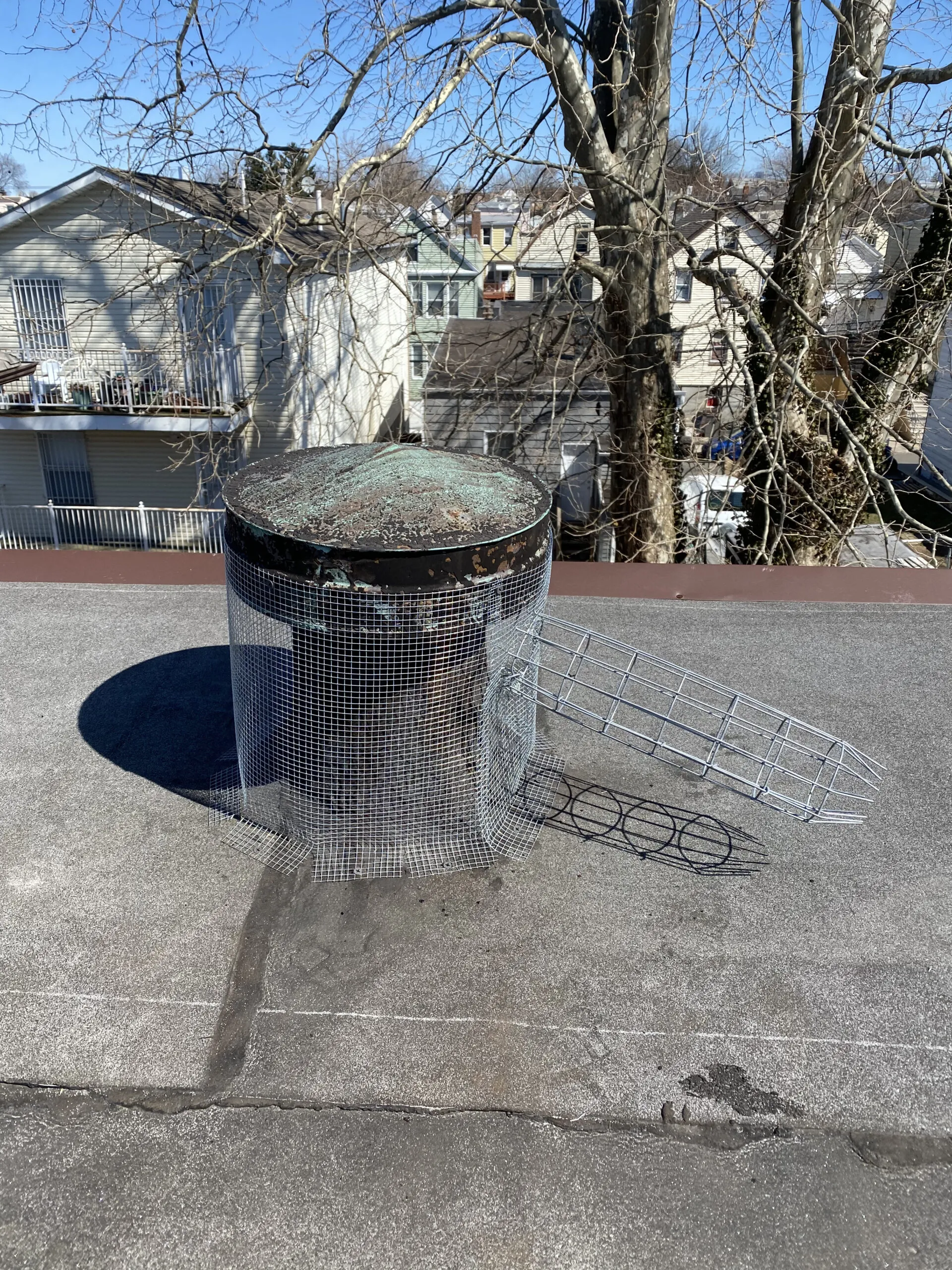
The core advantage lies in integrated Raccoon Removal Techniques for Homeowners that address root causes. Above & Beyond Pest Control specializes in wildlife removal and exclusion, combining animal extraction with structural repairs that prevent re-entry. A DIY cage trap removes one raccoon. Professional exclusion blocks every access point, denying future wildlife the opportunity to settle in attics or crawlspaces.
What makes professional exclusion different from sealing holes yourself?
Raccoons exploit vulnerabilities that untrained eyes miss. Technicians inspect rooflines, soffits, vents, and chimney caps to identify every breach. The company then installs reinforced materials that withstand determined wildlife, backed by a six-month to five-year guarantee on all work. Store-bought foam or mesh deteriorates quickly and fails under pressure.
Safety separates professional service from do-it-yourself risk. The company’s experienced technicians apply eco-friendly techniques that protect families and pets while eliminating the hazard. Raccoons carry diseases transmissible through scratches, bites, or airborne particles from dried waste. Handling these animals without training exposes homeowners to serious health consequences.
Why does cleanup matter after raccoon removal?
Contaminated insulation and accumulated droppings create lingering hazards long after the animal leaves. Above & Beyond Pest Control performs deep clean-ups to remove urine, feces, and nesting materials that DIY methods overlook. Skipping this step leaves behind pathogens and odor that attract new wildlife. Professional remediation restores the space to a safe, habitable condition and eliminates the scent trails that draw raccoons back to the property.
How can homeowners safely address a raccoon problem?
The safest first step is contacting a licensed wildlife removal expert. Homeowners in Essex, Bergen, and Passaic Counties face real risks from raccoon infestations, including property damage and disease exposure. Raccoon Removal Techniques for Homeowners begin with professional assessment, not do-it-yourself attempts that often fail and create greater hazards.
What does a professional raccoon removal service include?
A complete service covers four critical phases. Technicians perform a thorough inspection to locate entry points and nesting sites. Humane trapping and removal follows, adhering to state wildlife regulations. Exclusion work seals all potential access points to prevent re-entry. Finally, cleanup services address contaminated insulation and droppings that pose health risks. Above & Beyond Pest Control provides this full spectrum of wildlife management, returning calls the same business day if a client misses the initial contact.
How long does professional raccoon protection last?
Long-term security matters as much as immediate removal. The company offers a six-month to five-year guarantee on all work, giving homeowners confidence that the solution endures. This warranty covers the exclusion and prevention measures that keep raccoons from returning. The team also handles mortgage approval paperwork, removing administrative burdens from the property owner. A single raccoon family can destroy attic insulation and chew through wiring within days. Professional intervention stops that damage before it escalates into costly structural repairs.
FAQ
What diseases do raccoons transmit during DIY removal?
Raccoons spread rabies and roundworm through saliva, feces, and contaminated surfaces, exposing homeowners without protective equipment.
Why do raccoons attack homeowners during removal attempts?
Cornered raccoons view confined spaces as territory worth defending, triggering a fight response with sharp claws and powerful jaws.
What happens if entry points are sealed before raccoons are removed?
Trapping raccoons inside attics or walls causes shredded insulation, ripped ductwork, chewed wiring, and pervasive odor from a dead animal.
Conclusion
DIY raccoon removal exposes homeowners to legal penalties, health hazards, and failed outcomes that cost more than professional intervention. The risks, from disease transmission and animal attacks to improper relocation fines, far outweigh any savings from attempting removal alone. Licensed wildlife removal eliminates legal liability, ensures humane compliance, and delivers permanent exclusion backed by long-term guarantees. Contacting a professional wildlife removal expert protects your family, your property, and your peace of mind.